Nepal Sets Ambitious 20% of GDP Export Goal, Experts Doubt Feasibility
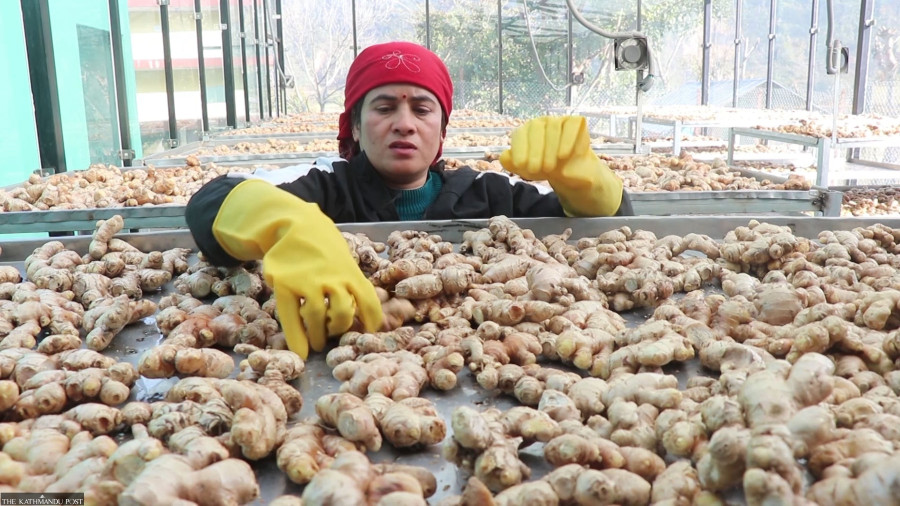
Nepal has unveiled an updated plan with the ambitious goal of increasing its exports to 20 percent of the country's Gross Domestic Product (GDP) within the next two years. This initiative aims to significantly reduce the nation's trade deficit by enhancing export volumes, diversifying the range of products offered, and exploring new international markets. However, the target has been met with skepticism from economists and exporters alike. They argue that persistent policy bottlenecks and structural challenges within the economy will make achieving such a substantial increase in exports unrealistic in the given timeframe. The current economic landscape presents significant hurdles that need to be addressed for the export sector to thrive and meet such ambitious national objectives.
Nepal's stated objective to elevate exports to 20% of GDP within two years reflects a common development strategy focused on external demand to drive economic growth and improve the trade balance. The identified challenge of policy bottlenecks suggests a potential disconnect between national aspirations and the practical implementation of economic reforms. Achieving such a rapid export expansion would necessitate a robust and efficient policy environment, including streamlined trade procedures, improved infrastructure, and targeted support for export-oriented industries. The skepticism from experts highlights the critical need for a thorough assessment of existing constraints and the development of concrete, actionable strategies that address these systemic issues. Without significant policy adjustments and a realistic understanding of implementation capacity, the ambitious target may remain aspirational rather than achievable, potentially leading to continued trade deficits and economic vulnerability.
AI-generated to prompt reflection — not editorial opinion, not advice, not a statement of fact. How this works.