Nepal to Deny Film Screenings Affecting Relations with Friendly Nations
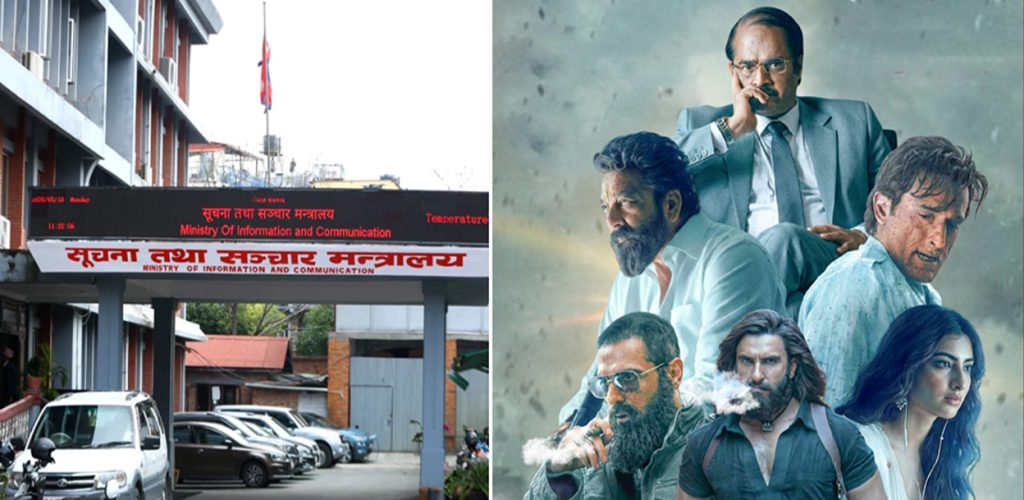
The Nepali government has announced a policy to deny permission for the screening of films that could negatively impact its relationships with friendly countries. This decision is expected to have a direct impact on Indian films shown in Nepal. Many of the highest-grossing films in Nepal in recent times have featured storylines that are critical of Pakistan. The government's move suggests a desire to proactively manage foreign relations through cultural content regulation. This policy aims to prevent potential diplomatic friction arising from cinematic portrayals. The specific criteria for determining which films fall under this ban are yet to be detailed. However, the statement clearly indicates a shift towards greater scrutiny of imported films based on their geopolitical implications. This could lead to a more curated film market in Nepal, prioritizing content that aligns with the nation's foreign policy objectives.
This government policy introduces a layer of geopolitical consideration into the film exhibition sector, potentially influencing the types of international content available to Nepali audiences. By linking film screening permits to the impact on bilateral relations, the government is asserting a form of cultural diplomacy, using media regulation as a tool to manage foreign policy. This approach could create incentives for filmmakers to self-censor or tailor content to avoid diplomatic repercussions, thereby shaping narratives in line with state interests. The long-term effect may be a more controlled media environment, raising questions about artistic freedom versus national interest. Future considerations will likely involve the transparency of the decision-making process and the potential for reciprocal actions from other nations.
AI-generated to prompt reflection — not editorial opinion, not advice, not a statement of fact. How this works.