Nepal to Impose 3% Equity Fee on Private School Students
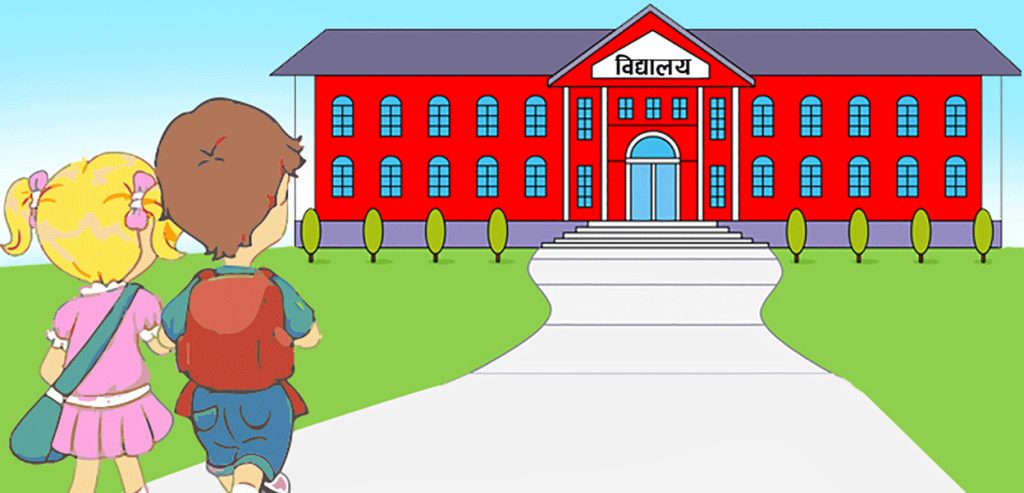
The Nepali government is set to implement a 3% equity fee on students attending private educational institutions, effective tomorrow. This new fee will impact approximately 2.66 million students across the country. The collected funds are intended to support educational equity initiatives. Parents and guardians of these students will bear the additional financial burden of this fee. The government's decision aims to generate revenue for educational development and potentially reduce disparities in access to quality education. The implementation marks a significant policy shift in the funding of private education in Nepal. The exact mechanisms for collection and the specific allocation of the collected equity fees are expected to be detailed further. This measure is anticipated to affect household budgets for families with children in private schools.
The Nepali government's introduction of a 3% equity fee on private school students represents a policy intervention aimed at resource redistribution within the education sector. By levying this fee, the state seeks to generate funds that can potentially be channeled towards improving educational access and quality for disadvantaged populations, thereby addressing systemic inequalities. However, this policy also introduces a direct financial cost to families utilizing private education, which could influence parental choices regarding schooling and potentially impact enrollment figures in private institutions. The long-term efficacy of this measure will depend on transparent fund management, effective allocation towards stated equity goals, and the government's ability to mitigate any adverse effects on household finances and the private education sector. Future considerations should include evaluating the fee's impact on educational mobility and exploring alternative, sustainable funding models that balance equity objectives with economic realities.
AI-generated to prompt reflection — not editorial opinion, not advice, not a statement of fact. How this works.