Nepal Urged to Boost Climate Resilience in Agriculture
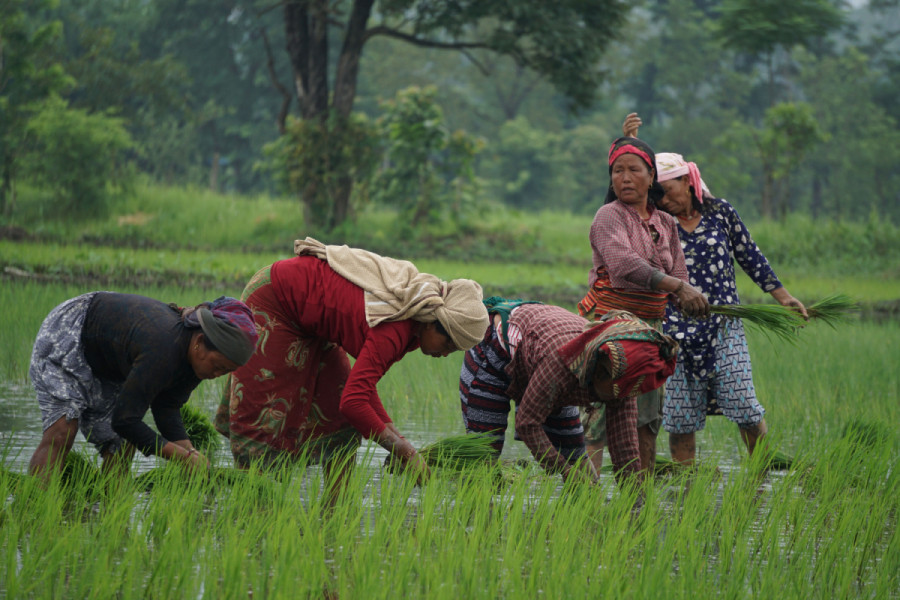
Nepal faces a critical need to enhance its strategies for safeguarding food and water systems against increasing climate unpredictability. The nation must develop more effective methods to protect its agricultural sector, which is vital for food security and the livelihoods of its citizens. This imperative arises from the growing vagaries of nature, which pose significant threats to crop yields and water availability. Addressing this challenge requires a comprehensive approach that integrates climate adaptation measures into agricultural practices. The government and relevant stakeholders are called upon to collaborate on implementing solutions that build resilience within the sector. This includes investing in climate-smart agriculture technologies and improving water management systems. The long-term sustainability of Nepal's food supply and its ability to withstand environmental shocks depend on proactive and robust climate-resilient strategies.
Nepal's call for climate-resilient agriculture highlights a common challenge faced by nations heavily reliant on natural resources. The imperative to adapt agricultural practices to unpredictable weather patterns is driven by the need to ensure food security and economic stability. Future-proofing these systems requires strategic investments in infrastructure, technology, and farmer education, balancing immediate needs with long-term sustainability goals. The effectiveness of these measures will depend on robust governance and equitable resource distribution, ensuring that vulnerable communities benefit from adaptation efforts. This situation underscores the broader global challenge of managing environmental risks within evolving economic and social landscapes.
AI-generated to prompt reflection — not editorial opinion, not advice, not a statement of fact. How this works.