Nepal Violence Spreads; India Boosts Border Surveillance
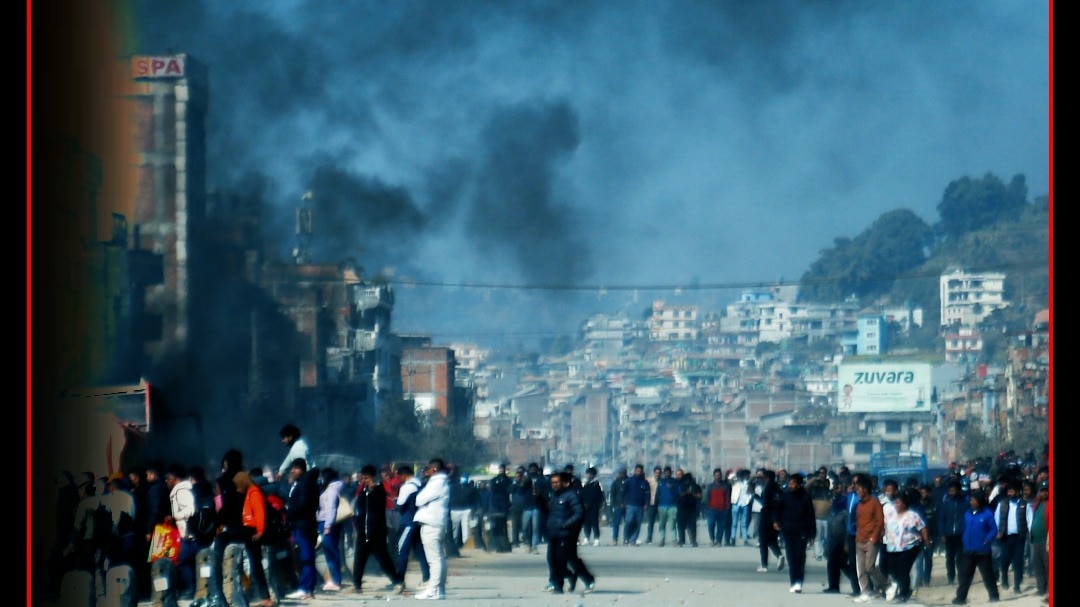
Communal violence that began in Nepal's Sunsari district has now spread to multiple cities across the country. Curfews have been imposed in several areas, and the Nepali army has been deployed, conducting aerial surveillance via helicopter. Reports indicate that several people have died and dozens have been injured in the ongoing unrest.
In response to the escalating situation, India has increased security along its border with Nepal, particularly in the bordering districts of Bihar. Additional police forces have been deployed to the frontier, and thorough checks are being conducted on individuals crossing the border. This heightened vigilance aims to prevent any spillover of the violence into Indian territory and maintain regional stability.
The communal violence in Nepal, escalating to multiple cities and necessitating military deployment and curfews, highlights the fragility of social cohesion when underlying tensions are not adequately addressed. India's precautionary border reinforcement reflects a strategic imperative to manage potential cross-border instability, a common concern for nations sharing porous frontiers. This situation underscores the interconnectedness of regional security, where internal events in one country can trigger external security considerations for its neighbors. Future governance in Nepal will likely need to focus on inclusive policies and conflict resolution mechanisms to mitigate such outbreaks, while India's response demonstrates a proactive approach to border management in volatile environments, balancing security with the potential impact on bilateral relations and trade.
AI-generated to prompt reflection — not editorial opinion, not advice, not a statement of fact. How this works.