Nepali Congress Claims Suspicious Vehicle Parked Outside Gagan Thapa's Residence with Police Assistance
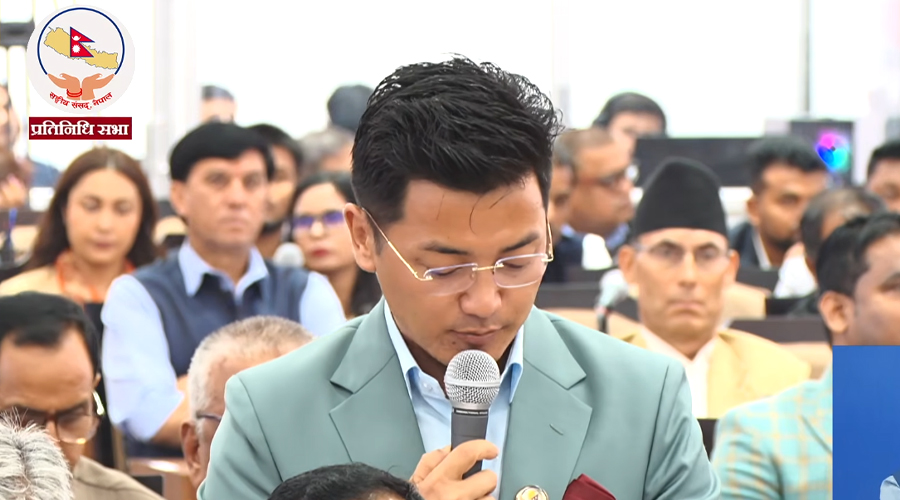
The Nepali Congress has alleged that a suspicious vehicle was parked in front of the residence of party leader Gagan Thapa, with the alleged assistance of police administration. The claim was made by the opposition parties during the commencement of the House of Representatives meeting on June 30th. Following the start of the session, opposition members stood up to protest. Nischal Rai, the chief whip of the Nepali Congress, presented the party's claim after being granted time by Speaker Dol Prasad Aryal. The party asserted that the government, which holds 182 seats, is...
The Nepali Congress's assertion of a suspicious vehicle parked outside a prominent leader's home, allegedly with police involvement, points to potential concerns regarding political intimidation or surveillance. Such actions, if substantiated, could indicate a breakdown in the impartial application of law enforcement resources and raise questions about the government's respect for political opposition. This situation highlights the critical importance of transparency and accountability in state security apparatus, especially in a democratic context where trust between citizens, political parties, and law enforcement is paramount for stable governance. The next decade's focus on digital surveillance and data privacy may further complicate such incidents, demanding robust legal frameworks to protect citizens' rights.
AI-generated to prompt reflection — not editorial opinion, not advice, not a statement of fact. How this works.