Nepali Congress Criticizes Government for Failing to Implement 100-Point Reform Agenda
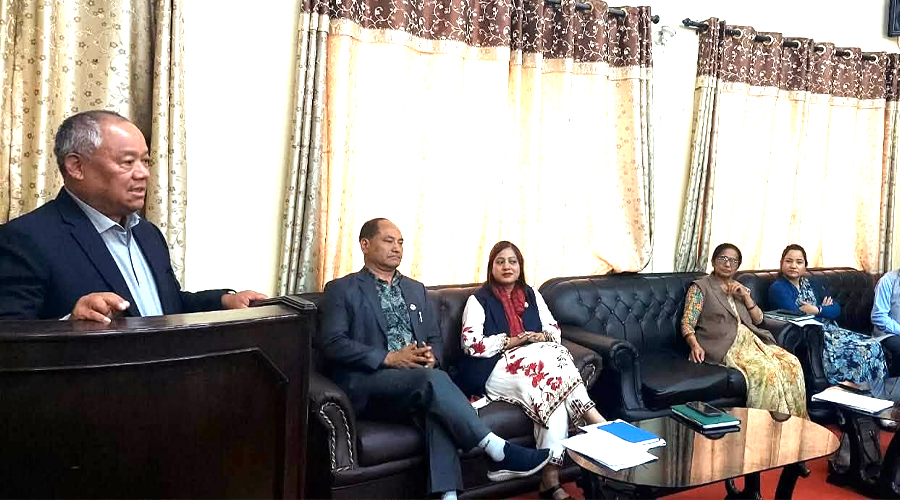
The Nepali Congress has concluded that the current government has failed to fulfill its own commitments, particularly regarding the implementation of a 100-point agenda for governance reform. This conclusion was reached during a meeting of coordinators responsible for ministerial portfolios, chaired by parliamentary party leader Bhishma Raj Angdembe. The meeting took place on Saturday at the party's office in Singha Durbar. The party's assessment highlights a significant gap between the government's stated goals and its actual performance in enacting necessary reforms. The Nepali Congress, a key political entity, is scrutinizing the government's effectiveness in delivering on promises made to the public. This critique suggests a potential lack of political will or capacity to drive the proposed changes. The party's stance indicates a growing concern over the pace and direction of governance improvements.
The Nepali Congress's critique points to a common challenge in governance: the gap between policy formulation and effective implementation. The government's failure to execute its 100-point reform agenda, as highlighted by the opposition party, suggests potential systemic issues. These could include insufficient resource allocation, bureaucratic inertia, lack of inter-agency coordination, or competing political priorities. In the context of Nepal's ongoing efforts to strengthen democratic institutions and foster economic development, such implementation deficits can erode public trust and hinder progress. Moving forward, a focus on robust monitoring mechanisms, clear accountability frameworks, and adaptive policy adjustments will be crucial for ensuring that reform agendas translate into tangible improvements in governance and public service delivery.
AI-generated to prompt reflection — not editorial opinion, not advice, not a statement of fact. How this works.