Nepali Congress Dissident Group Warns of New Party if Unity Efforts Fail
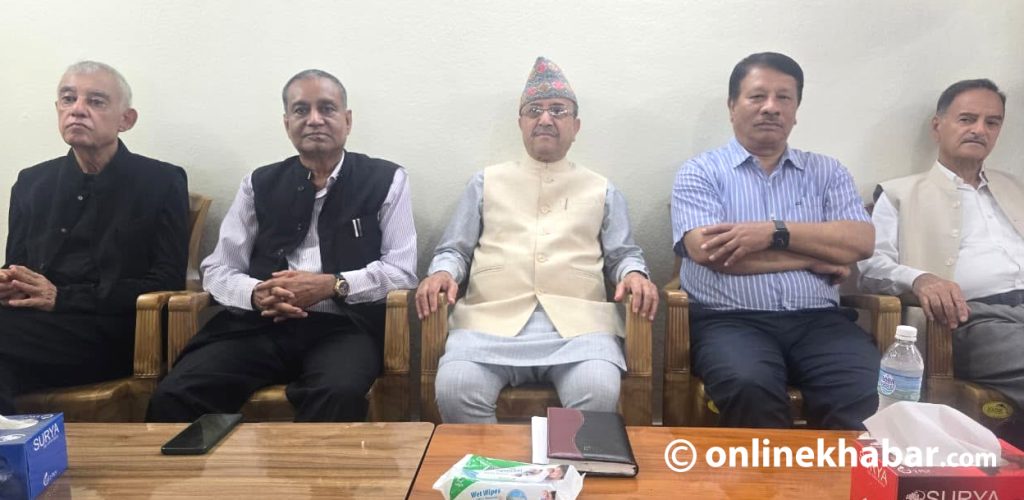
A faction within the Nepali Congress has signaled the potential formation of a new political party if internal unity efforts, led by party president Gagan Thapa, do not materialize. Many leaders within this group have accused President Thapa of failing to take the necessary initiatives to unite the party. They expressed that the party cannot afford to wait much longer for President Thapa to act on the matter of party unification. The sentiment suggests a growing impatience and a willingness to explore alternative political paths if the current leadership does not address the calls for unity effectively. This development highlights internal rifts within the Nepali Congress and raises questions about its future cohesion and direction.
The internal dissent within the Nepali Congress, as evidenced by the dissident group's ultimatum, reflects a common challenge in established political parties: balancing factional interests with the imperative of party unity. The group's threat to form a new party, absent decisive leadership from President Gagan Thapa, suggests a strategic leverage play aimed at forcing his hand. This situation underscores the tension between maintaining party loyalty and pursuing individual or group political ambitions. Looking ahead, the ability of the Nepali Congress to navigate these internal divisions will be crucial for its electoral viability and its role in Nepal's political landscape. Failure to reconcile these differences could lead to further fragmentation, impacting the party's influence and potentially reshaping the broader political alignments in the country.
AI-generated to prompt reflection — not editorial opinion, not advice, not a statement of fact. How this works.