Nepali Congress Faction Opens Separate Office Amid Internal Dispute
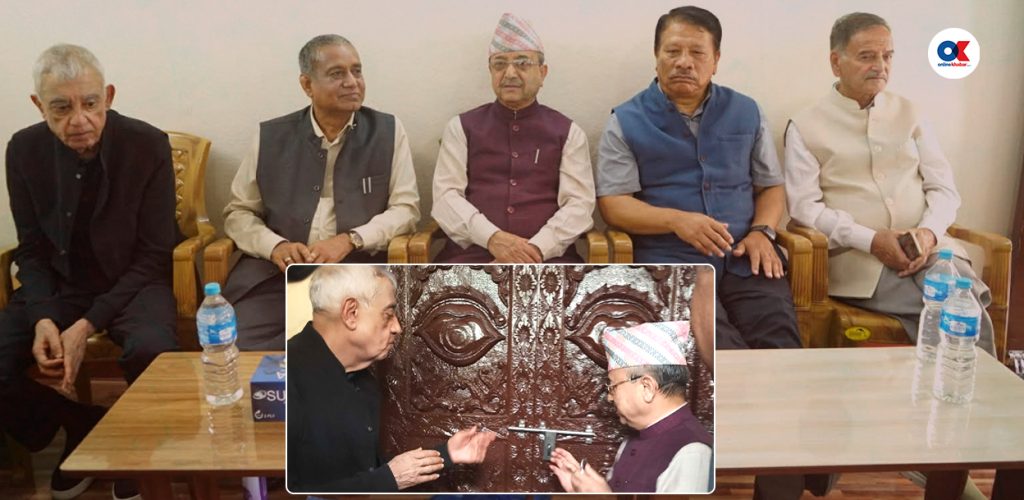
A dissenting faction within the Nepali Congress, led by Gagan Thapa, has resorted to opening its own office to carry out parallel activities. This move comes after their previous strategies to pressure the establishment proved ineffective. The group's decision signals a deepening internal conflict within the party. The ongoing internal strife within the Nepali Congress appears to be escalating towards a potential split. This faction's actions indicate a significant divergence in political approaches and objectives within the party leadership. The establishment faction, led by Gagan Thapa, is facing increased pressure from this dissenting group. The opening of a separate office signifies a more organized and potentially prolonged challenge to the current party leadership. The situation highlights the persistent internal power struggles that often characterize major political parties in Nepal. The future trajectory of the Nepali Congress may be significantly influenced by how this internal dispute is resolved.
The establishment of a separate office by a dissenting faction within the Nepali Congress indicates a strategic escalation in internal party politics. This action suggests that existing channels for resolving intra-party disputes have been exhausted or deemed insufficient by the dissenting group. The move could reflect a broader trend of factionalism, where alternative power bases are formed to exert influence or prepare for potential organizational splits. The long-term implications may involve shifts in party alliances, policy directions, and electoral strategies, depending on the faction's ability to mobilize support and negotiate its position within the party structure or potentially as an independent political force.
AI-generated to prompt reflection — not editorial opinion, not advice, not a statement of fact. How this works.