Nepali Congress Leader Balayar: We Haven't Crossed Lines, But Won't Be Stopped if Forced
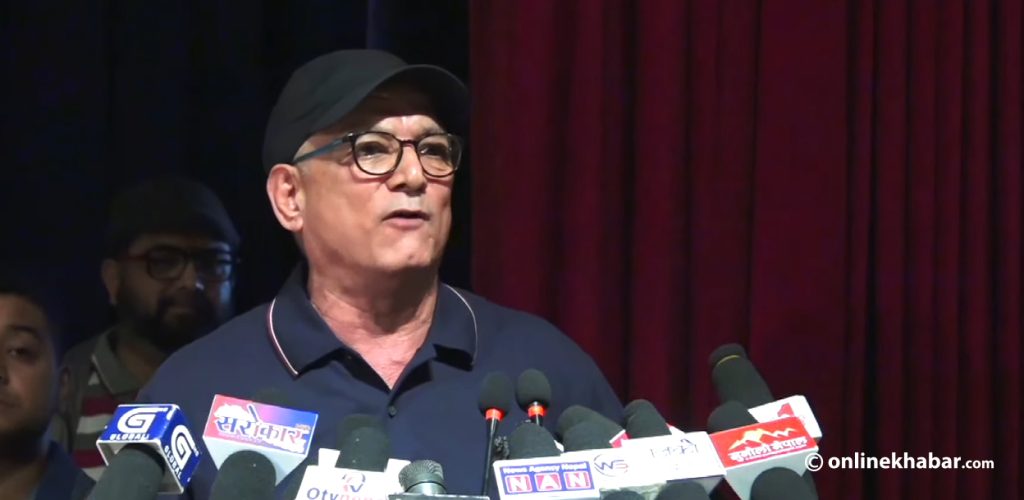
Leader of the faction not aligned with the establishment within the Nepali Congress, Bir Bahadur Balayar, has challenged the party's leadership, stating that his group remains flexible for party unity. He expressed strong disapproval of the establishment faction, accusing them of discussing unity without taking concrete steps or making compromises to achieve it. Balayar asserted that his group has not crossed any 'Laxman Rekha' (boundaries) but warned that their actions would not be halted if they were pushed to do so. He made these remarks on Wednesday, referencing the 44th commemoration of BP Koirala's death. Balayar emphasized that while they are open to unity, the establishment's actions are hindering progress. He indicated that their patience has limits and that they are prepared to take further steps if the current situation persists. The leader reiterated his group's commitment to the party's core principles while seeking a genuine path towards reconciliation and unity.
The statement from Bir Bahadur Balayar highlights a common dynamic within political parties where internal factions negotiate power and influence under the guise of party unity. The 'Laxman Rekha' metaphor suggests a perceived boundary of acceptable political maneuvering, which Balayar claims not to have breached, while simultaneously implying a readiness to cross it if provoked. This reflects a strategic positioning, leveraging the rhetoric of compromise to apply pressure on the establishment. The reference to BP Koirala invokes historical ideals, potentially aiming to legitimize his faction's stance by aligning it with foundational party principles. The situation underscores the tension between maintaining party cohesion and advancing factional interests, a perpetual challenge in multiparty democracies. Future party dynamics may depend on whether the establishment offers substantive concessions or if Balayar's faction escalates its actions, potentially impacting electoral prospects and internal party governance.
AI-generated to prompt reflection — not editorial opinion, not advice, not a statement of fact. How this works.