Nepali Congress Ministers Resign from Lumbini Provincial Government
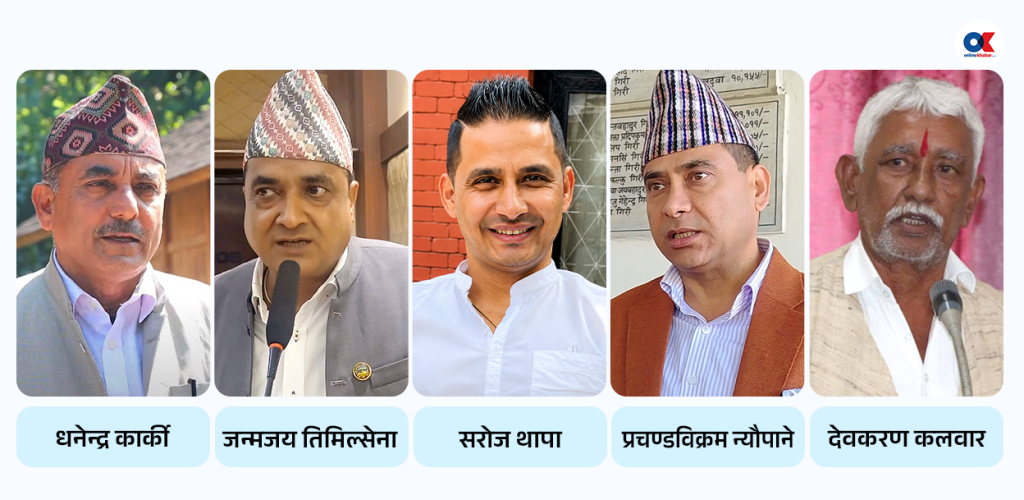
Ministers from the Nepali Congress are set to collectively resign from the Lumbini provincial government. This move will pave the way for a new government to be formed by the CPN-UML and the CPN (Maoist Centre). With the Nepali Congress out of the coalition, the UML and Maoist Centre will have sufficient numbers to establish a majority government in the province.
The resignation signifies a significant shift in the political landscape of Lumbini. The departure of the Nepali Congress ministers indicates a breakdown in the current ruling alliance. The formation of a UML-Maoist Centre government suggests a realignment of political forces within the province, potentially leading to new policy directions and administrative changes.
The resignation of Nepali Congress ministers from the Lumbini provincial government, enabling a majority for the CPN-UML and CPN (Maoist Centre), reflects typical coalition dynamics in Nepal's multi-party system. Such realignments are often driven by shifting political alliances and power-sharing negotiations. From a governance perspective, this transition may lead to policy continuity or divergence depending on the priorities of the incoming coalition. The stability of the new government will likely depend on its ability to maintain internal cohesion and address the province's development needs, while navigating the broader national political context. Future political stability in Lumbini may hinge on the capacity of its leaders to foster consensus across party lines.
AI-generated to prompt reflection — not editorial opinion, not advice, not a statement of fact. How this works.