Nepali Congress VP Questions Eroding Trust in New Government
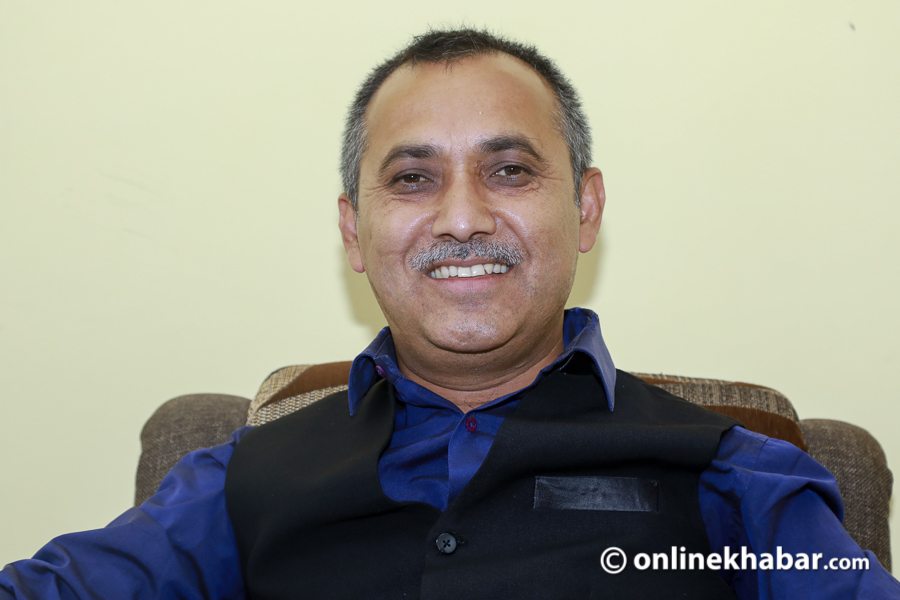
Nepali Congress Vice President Bishwa Prakash Sharma has raised questions about the diminishing trust in the government formed by a new political party. He highlighted the societal despair that has led to tragic incidents, referencing the self-immolation of Prem Acharya and the recent attempted self-immolation by Ganesh Nepali. Sharma called for an investigation into the root causes of this growing despair and the fading hope among the populace. He emphasized the need to understand why society is experiencing such profound disappointment and a loss of optimism. The Vice President's remarks suggest a concern that the initial faith placed in the new political establishment is rapidly deteriorating. He urged for a deeper examination of the factors contributing to this negative sentiment, implying that the current governance may not be meeting public expectations. This situation underscores a broader societal malaise that political leaders must address.
The erosion of public trust in new political entities, even shortly after their formation, suggests a potential disconnect between campaign promises and governmental action. This phenomenon often stems from systemic governance challenges, including policy implementation gaps, perceived corruption, or a failure to address pressing socio-economic issues. The societal despair, evidenced by extreme acts, points to a need for leaders to focus on tangible improvements in citizens' lives and foster a sense of hope through effective policy and transparent governance. Looking ahead, political actors must prioritize long-term societal well-being over short-term political gains to build sustainable trust and mitigate the risk of public disillusionment.
AI-generated to prompt reflection — not editorial opinion, not advice, not a statement of fact. How this works.