Nepali Parliamentarians Debate Suicide Rates Amidst Political Controversy
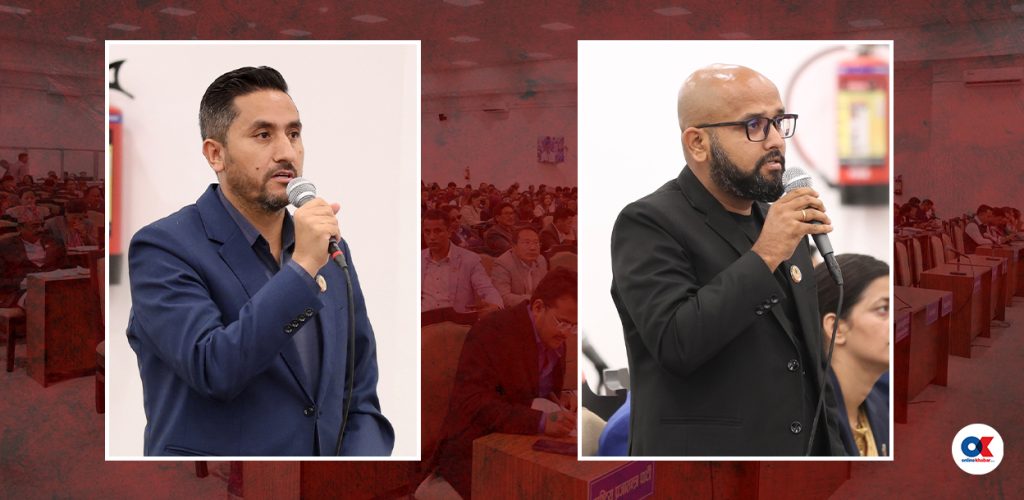
Opposition parties in Nepal's parliament have drawn the government's attention to the issue of suicide, referencing the recent death of Ganesh Nepali. However, lawmakers from the ruling Rastriya Swatantra Party (RSP) have pushed back against what they perceive as an overemphasis on this particular case. The RSP MPs argue that the focus on individual incidents distracts from a broader, more pressing concern: the alarming rate of daily suicides in the country. They contend that approximately 18 individuals take their own lives each day, a figure they believe warrants greater national attention and concern. The RSP's stance suggests a desire to shift the parliamentary discourse towards addressing this pervasive public health crisis, rather than getting entangled in the specifics of one prominent death. This divergence highlights a tension between addressing immediate, high-profile tragedies and tackling systemic issues with significant daily impact.
The parliamentary debate in Nepal over addressing suicide rates, sparked by the death of Ganesh Nepali, reveals a common tension between responding to specific, visible tragedies and tackling broader, systemic public health crises. While the opposition's focus on an individual case is understandable, the ruling party's emphasis on the reported daily average of 18 suicides highlights a critical public health challenge. This situation underscores the need for robust national strategies that encompass both immediate crisis intervention and long-term prevention efforts. Future policy should aim to integrate mental health support into all levels of society, recognizing that societal pressures and access to care are significant determinants of well-being. The challenge lies in allocating resources and attention effectively to address both the symptoms and the root causes of mental distress in a manner that is both compassionate and data-driven.
AI-generated to prompt reflection — not editorial opinion, not advice, not a statement of fact. How this works.