Nepali Play Adapts Sartre's 'The Respectful Prostitute' to Local Realities
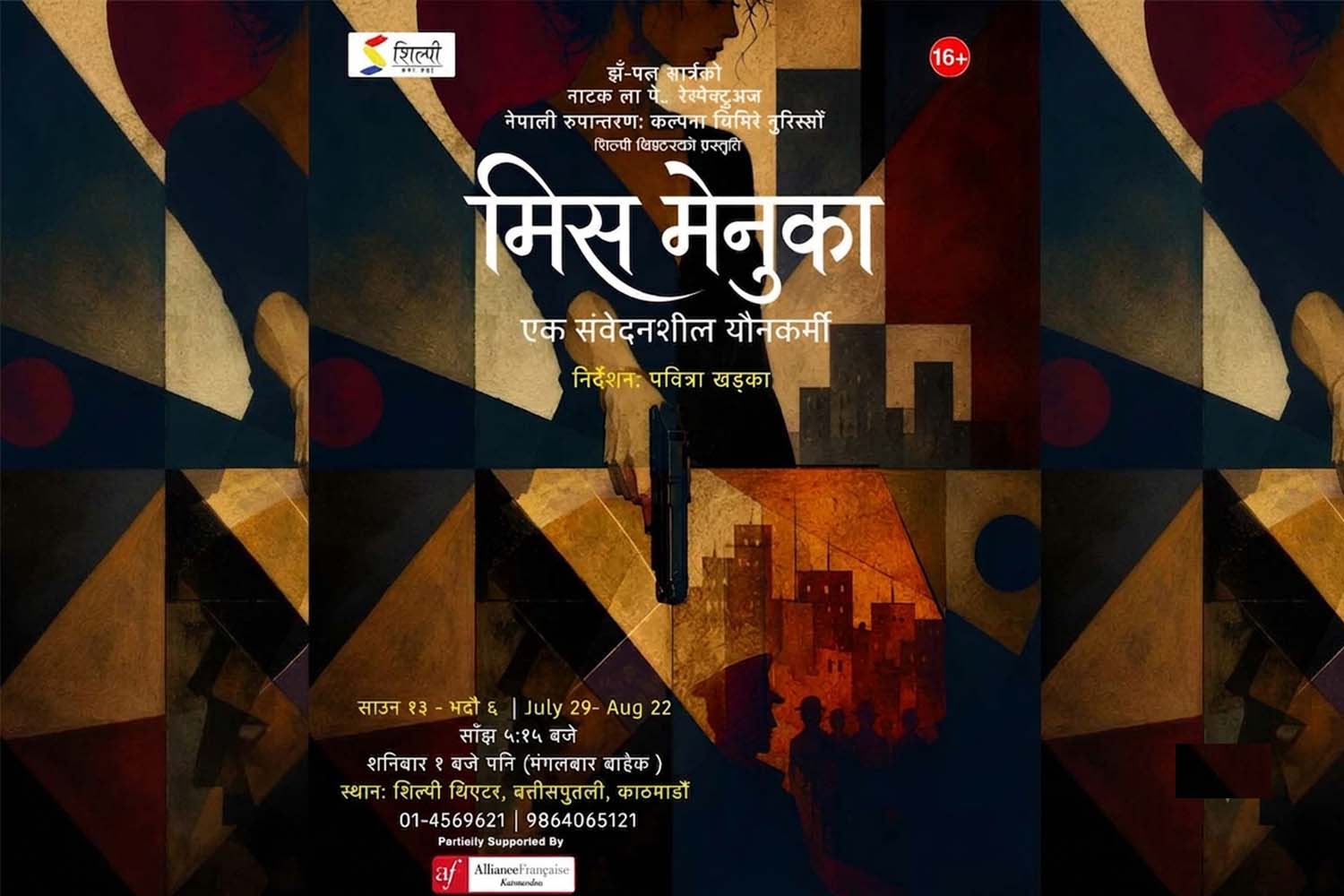
A new Nepali stage production, titled 'Miss Menuka,' offers a contemporary reimagining of Jean-Paul Sartre's classic 1946 play, 'La Putain respectueuse' (The Respectful Prostitute). The adaptation shifts the setting and narrative to explore the lived experiences of sex workers within Nepal's specific social and political landscape. The play aims to draw parallels between the original work's themes of racial injustice and societal hypocrisy and the challenges faced by marginalized communities in Nepal today. By transplanting Sartre's existentialist drama to a Nepali context, the production seeks to highlight issues of social stigma, economic hardship, and the complex interplay of power dynamics that affect sex workers. The adaptation endeavors to provoke thought on broader societal structures and their impact on vulnerable populations. It is a significant theatrical undertaking that bridges Western dramatic literature with local concerns, offering a critical lens on contemporary Nepali society.
This theatrical adaptation of Sartre's 'La Putain respectueuse' into 'Miss Menuka' demonstrates a strategic cultural translation, aiming to resonate with contemporary Nepali audiences by framing universal themes of social injustice and exploitation within a localized context. By focusing on the realities of sex workers, the production addresses a sensitive yet critical social issue, potentially leveraging dramatic narrative to foster public discourse on marginalization and systemic inequalities. The choice to adapt a mid-20th-century existentialist work suggests an intent to explore enduring human dilemmas of freedom, responsibility, and societal complicity through a modern lens, prompting reflection on how historical power structures continue to influence present-day social dynamics in Nepal. This approach could serve as a catalyst for examining governance and social policy related to vulnerable populations, encouraging a more nuanced understanding of their challenges and rights.
AI-generated to prompt reflection — not editorial opinion, not advice, not a statement of fact. How this works.