Nepali Society's Response to Tragedy: Content vs. Trend
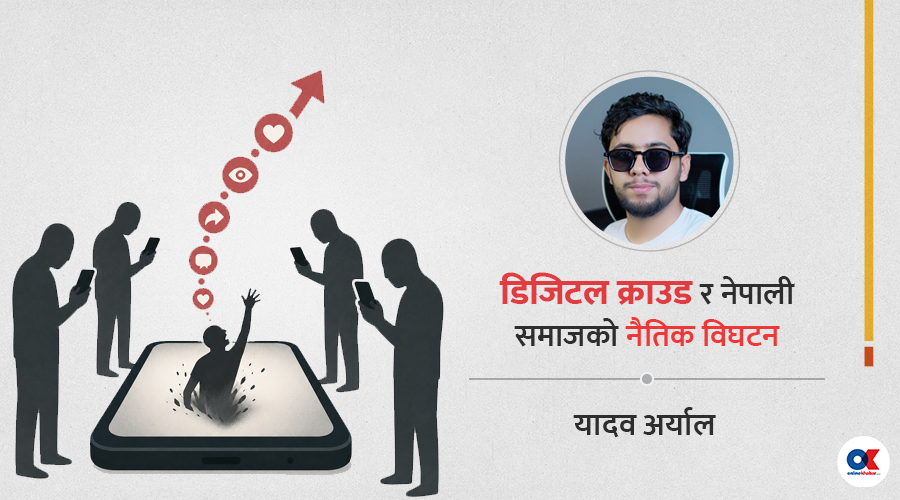
The death of young Ganesh Nepali, who self-immolated, has deeply affected a segment of Nepali society. However, a significant portion of the digital community views his death as predictable, linking it to his mental health. The incident involved a young man pouring gasoline on himself and succumbing to death, reportedly due to coercive state actions. While this is a grave and sorrowful event, the broader societal reaction highlights a concerning trend. Many in the online sphere are treating his tragic end as mere content or a fleeting trend, rather than a profound human tragedy stemming from systemic issues. This detachment raises questions about empathy and accountability in an increasingly digitized world. The narrative surrounding his death often focuses on individual mental health, potentially overshadowing the alleged state coercion that may have been a contributing factor. The society's reaction, or lack thereof, to such extreme acts of desperation warrants further examination.
The societal reaction to Ganesh Nepali's self-immolation reveals a complex interplay between individual tragedy and collective digital engagement. While mental health is a critical factor in such events, the framing of his death as 'content' or a 'trend' by a segment of the digital public suggests a potential desensitization to suffering. This phenomenon may stem from the constant exposure to distressing news online, leading to a normalization of extreme events. The alleged role of state coercion, if substantiated, points to systemic governance issues that require robust public discourse and policy reform. Moving forward, fostering a societal response that prioritizes empathy and systemic accountability over ephemeral digital engagement will be crucial for addressing the root causes of such desperate acts.
AI-generated to prompt reflection — not editorial opinion, not advice, not a statement of fact. How this works.