Nephrologists Warn of Real Risks of "Detox" Juices for Kidneys
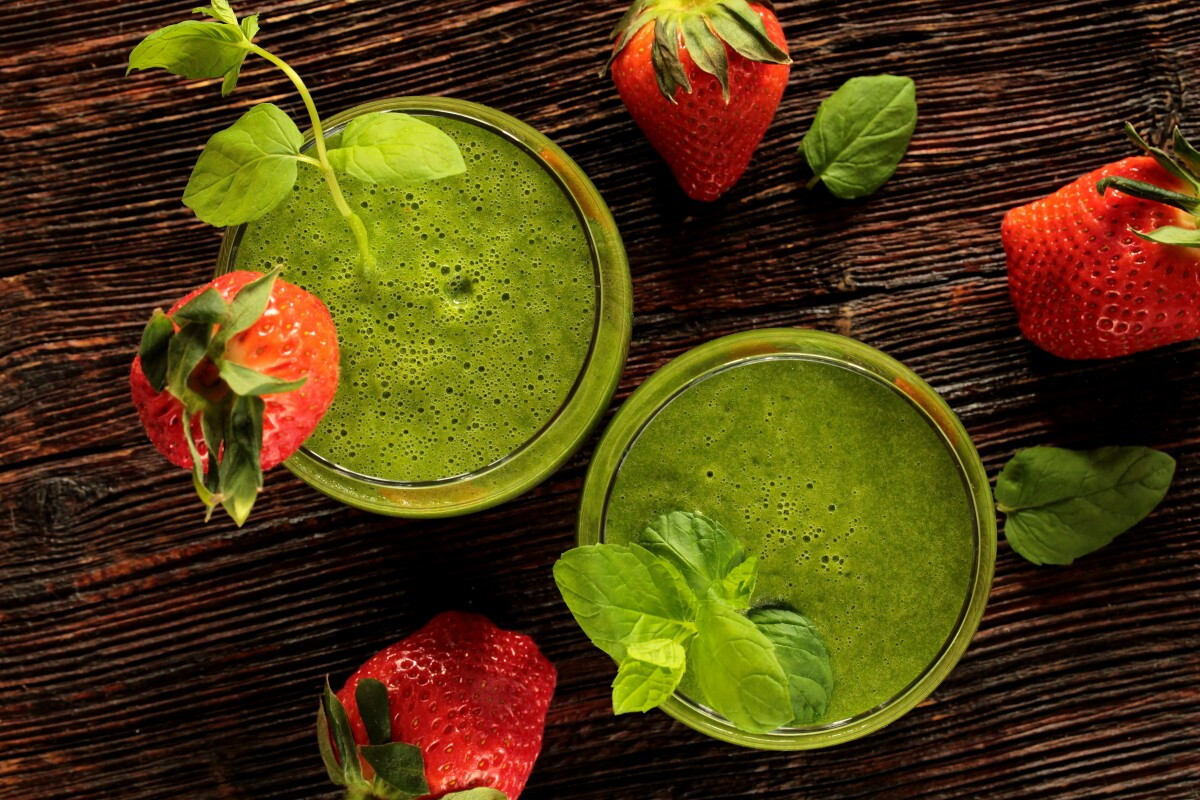
Nephrologists are raising concerns about the potential dangers of "detox" juices, particularly when they are used to replace meals. These juices, often marketed for their cleansing properties, can pose significant risks to kidney health. The practice of substituting regular meals with these vegetable-based drinks is being scrutinized by medical professionals. They are advising caution regarding the frequency with which individuals consume these juices. The scientific community's recommendations on how often it is safe to drink "detox" juices are being highlighted. The primary concern revolves around the potential strain these concoctions can place on the kidneys. While proponents claim detox juices offer health benefits, medical experts are emphasizing the need for a balanced diet and cautioning against extreme dietary changes. The long-term effects of relying on such juices for nutrition are not well-established and may lead to unforeseen health complications, especially for those with pre-existing kidney conditions.
The marketing of "detox" juices often leverages popular wellness trends, creating a demand for products that promise rapid health improvements. However, the scientific basis for many of these claims, particularly regarding kidney function and detoxification, is frequently unsubstantiated. From a public health perspective, promoting meal replacement with low-nutrient beverages can exacerbate nutritional deficiencies and place undue stress on organs like the kidneys. The underlying incentive for such products often lies in the lucrative wellness industry, which may prioritize profit over evidence-based health guidance. Future dietary recommendations will likely emphasize whole foods and personalized nutrition plans, informed by robust scientific research, rather than relying on unproven "detox" protocols. Consumers should critically evaluate health claims and consult with healthcare professionals before adopting restrictive or unconventional dietary practices.
AI-generated to prompt reflection — not editorial opinion, not advice, not a statement of fact. How this works.