Neptune's Moons May Be Debris from Ancient Cosmic Collision
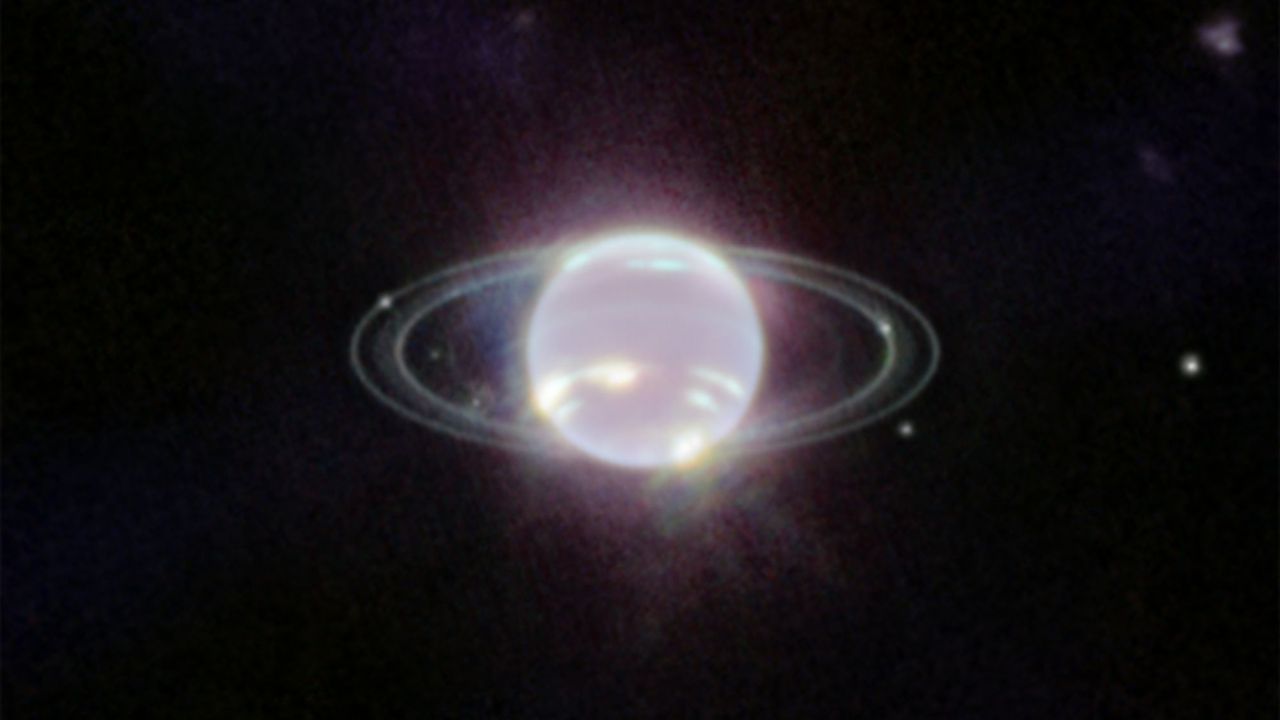
New research suggests that three of Neptune's moons could be the shattered remnants of larger ice worlds. These celestial bodies are believed to have been destroyed in a massive, catastrophic collision billions of years ago. The findings stem from analysis of data, though the source text indicates that our direct observation of Neptune's moons is limited. The Voyager 2 probe conducted the only flyby in 1989, providing a single snapshot of the Neptunian system. Scientists involved in this latest study emphasize that this limited data highlights the vast amount of knowledge yet to be gained about these distant moons. The potential discovery of these moon remnants offers a new perspective on the dynamic and violent history of the outer solar system. Further investigation is needed to confirm the exact origins and composition of these Neptunian satellites.
This research presents a compelling hypothesis regarding the formation of Neptune's moons, suggesting a violent past for the outer solar system. The limited observational data from the Voyager 2 flyby underscores a broader challenge in planetary science: the difficulty and expense of gathering comprehensive information on distant celestial bodies. Future missions and advanced telescopic capabilities will be crucial for validating these theories and understanding the complex orbital dynamics and evolutionary histories of moons around ice giants. This event, if confirmed, could inform models of planetary system formation and the prevalence of catastrophic impacts in the early universe, impacting our understanding of how stable planetary systems emerge.
AI-generated to prompt reflection — not editorial opinion, not advice, not a statement of fact. How this works.
