Netanyahu Calls Meeting with Trump 'One of Our Best Conversations'
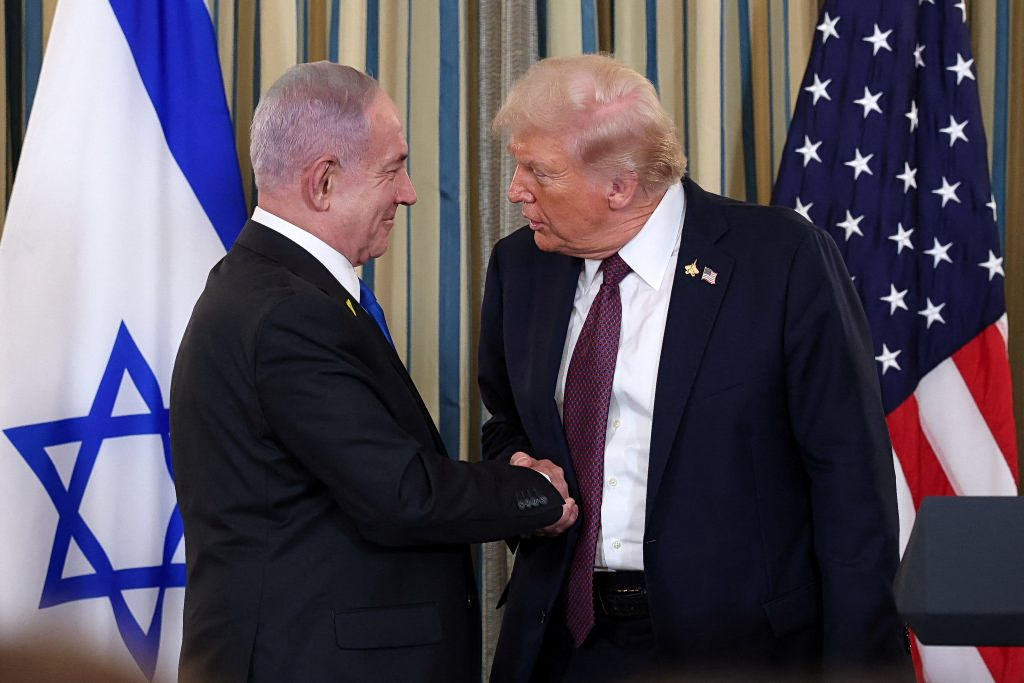
Israeli Prime Minister Benjamin Netanyahu described his meeting with U.S. President Donald Trump at the White House on Tuesday, July 28th, as exceptional. He stated it was one of the best conversations the two leaders have ever had. Netanyahu shared this sentiment in a video released before a memorial ceremony for the late Senator Lindsey Graham. The Prime Minister's positive assessment highlights a strong rapport between the Israeli and American leadership during their discussions. The meeting took place at the White House, underscoring the significant diplomatic engagement between the two nations. Further details of the conversation were not immediately available, but the emphasis on the quality of the dialogue suggests key issues were discussed. The context of the memorial ceremony for Senator Graham indicates a somber backdrop, yet the leaders focused on their bilateral relationship. This interaction occurs amidst ongoing geopolitical developments in the Middle East. The positive framing by Netanyahu suggests a successful diplomatic exchange from the Israeli perspective. The leaders have met on several occasions previously, fostering a consistent dialogue.
The positive framing of the meeting by Prime Minister Netanyahu suggests a desire to project strong bilateral relations between Israel and the United States. Such public affirmations can serve to bolster domestic political standing and signal strategic alignment to regional and international actors. From a governance perspective, the emphasis on 'best conversations' may indicate successful negotiation or consensus-building on specific policy objectives, or it could be a diplomatic tactic to maintain a favorable public image. Future developments will reveal whether this perceived strong dialogue translates into concrete policy shifts or sustained cooperation, particularly concerning regional security and the Israeli-Palestinian conflict. The interaction also occurs within the broader context of U.S. election cycles, where foreign policy relationships can be subject to shifts.
AI-generated to prompt reflection — not editorial opinion, not advice, not a statement of fact. How this works.