Netanyahu Claims Some Lebanese Christian Villages Seek Annexation by Israel
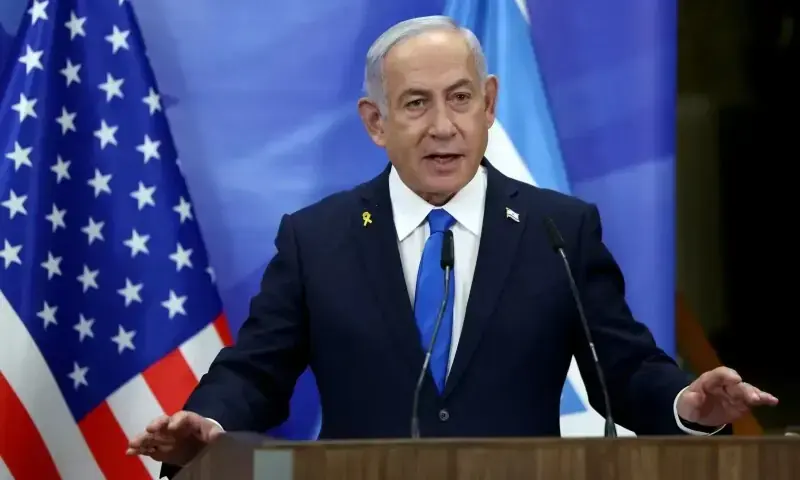
Israeli Prime Minister Benjamin Netanyahu stated on Sunday that some Christian villages in southern Lebanon have requested annexation by Israel. He asserted that these villages sought Israeli protection from Hezbollah, which he characterized as "fanatics who want to kill them." Netanyahu made these remarks during an interview with Fox News, though he did not identify the specific villages involved.
However, Christian villages in the Marjeyoun area of southern Lebanon have denied these reports. In a statement on Friday, they affirmed their loyalty to their national identity and attachment to Lebanon, asserting they possess neither the power nor the legal right to make such decisions. These villages have experienced Israeli shelling, airstrikes, and displacement since the current conflict began, with some residents choosing to remain despite evacuation orders to protect their homes and land. The Israeli military has reportedly warned some Christian-majority villages about allowing "strangers," referring to Hezbollah fighters.
Meanwhile, Netanyahu reiterated Israel's commitment to maintaining a military presence in southern Lebanon "as long as necessary" for security. The Israeli military chief, Lieutenant General Eyal Zamir, also visited troops in the region, vowing decisive action against threats from Lebanese territory. These statements come amid ongoing clashes with Hezbollah, despite efforts toward a lasting ceasefire. Netanyahu also commented on his relationship with US President Donald Trump, describing it as excellent but acknowledging occasional differences of opinion that are openly discussed and usually resolved.
Prime Minister Netanyahu's assertion regarding Christian villages in Lebanon seeking annexation by Israel presents a complex geopolitical narrative. The claim, if substantiated, could be framed as a strategic appeal for security against perceived threats from Hezbollah, potentially altering regional dynamics and alliances. However, the strong denial from Lebanese Christian villages, emphasizing their national identity and loyalty to Lebanon, suggests a significant divergence in perspectives. This discrepancy highlights the challenges of information dissemination and narrative control in conflict zones. The differing accounts underscore the importance of verifying claims from all parties involved, particularly when such statements could influence international perceptions and policy decisions regarding the ongoing conflict and the broader stability of the region. Future developments may reveal the underlying motivations and the extent to which such claims reflect genuine sentiments or serve broader political objectives.
AI-generated to prompt reflection — not editorial opinion, not advice, not a statement of fact. How this works.