Netanyahu Expresses Skepticism on Iran Deal, Considers Declining US Aid to Trump
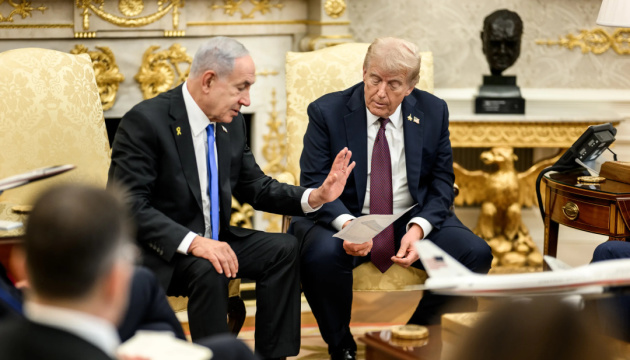
Israeli Prime Minister Benjamin Netanyahu met with U.S. President Donald Trump and voiced skepticism about the prospects of reaching an agreement with Iran. During the meeting, Netanyahu also indicated Israel's intention to decline American defense aid. The specific details of the defense aid package and the exact timing of this potential refusal were not disclosed in the report. This statement comes amidst ongoing geopolitical tensions and negotiations concerning Iran's nuclear program. The implications of Israel potentially foregoing U.S. military assistance could be significant for both regional security dynamics and the bilateral relationship between the two nations. Further discussions between Netanyahu and Trump likely covered broader strategic issues beyond the immediate defense aid and Iran deal.
Prime Minister Netanyahu's reported statements to President Trump suggest a complex interplay of strategic calculus and domestic political considerations. The expressed skepticism regarding a potential Iran deal, coupled with the contemplation of refusing U.S. defense aid, may reflect Israel's evolving security priorities and its assessment of regional threats. From a strategic perspective, such a move could signal a desire for greater autonomy in defense policy or a perceived shift in the efficacy of U.S. assistance under current geopolitical conditions. This development warrants an examination of the long-term implications for U.S.-Israel defense cooperation and the broader Middle East security architecture, particularly in the context of emerging technological advancements and shifting global alliances over the next decade.
AI-generated to prompt reflection — not editorial opinion, not advice, not a statement of fact. How this works.