Netanyahu Faces Backlash Over AI-Generated Video Mocking Political Rival's Deceased Son
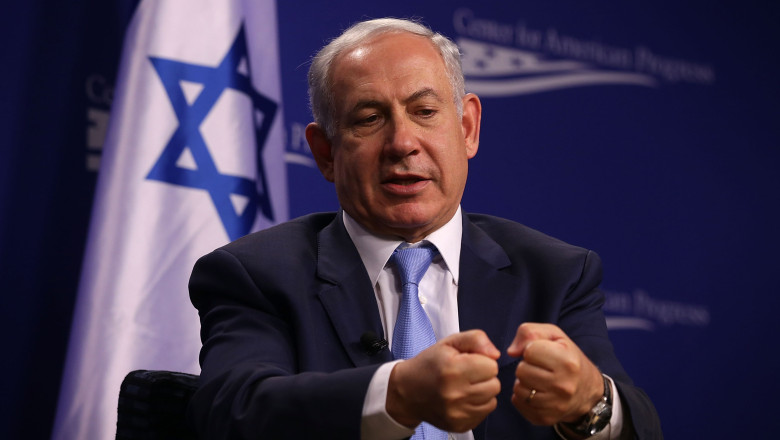
Israeli Prime Minister Benjamin Netanyahu is facing widespread criticism following the release of a controversial, AI-generated video targeting his political rival, Gadi Eisenkot. The video, shared during the ongoing campaign for the October 2026 parliamentary elections, depicts Eisenkot alongside a young man who strongly resembles his son, Gal Eisenkot. Gal Eisenkot was tragically killed in 2023 during a rescue operation for Israeli hostages in Gaza. This incident occurred shortly after the initial ceasefire agreement with Hamas. Gadi Eisenkot leads the opposition party Yashar. The use of AI to create such a sensitive and potentially manipulative depiction has drawn significant backlash, raising ethical concerns about political campaigning tactics. The controversy highlights the escalating tensions and charged atmosphere within Israeli politics as the next election approaches.
The deployment of AI-generated content in political campaigns, particularly when leveraging deeply personal and tragic events like the death of a soldier, introduces significant ethical and societal risks. This tactic, while potentially effective in mobilizing a base or discrediting an opponent, risks normalizing the weaponization of grief and personal loss in public discourse. Such methods can erode trust in political processes and foster a climate of heightened animosity, moving beyond substantive policy debates. Future electoral landscapes will likely grapple with establishing robust regulatory frameworks to govern the creation and dissemination of AI-driven political messaging, aiming to preserve the integrity of democratic engagement and protect vulnerable individuals from such exploitation.
AI-generated to prompt reflection — not editorial opinion, not advice, not a statement of fact. How this works.