Netanyahu Faces Defining Election Amid Wars and Legal Battles
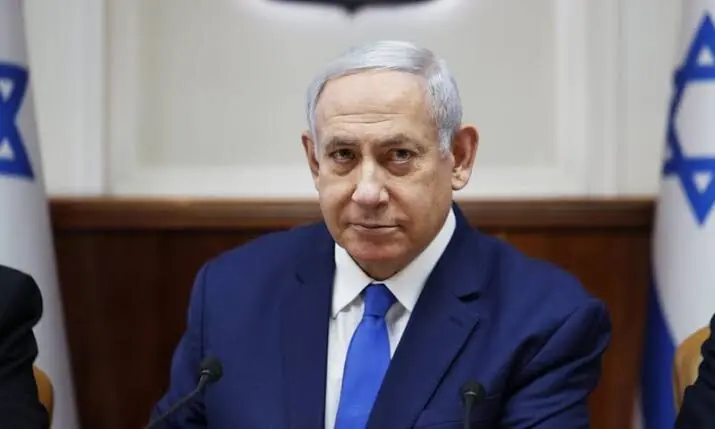
Benjamin Netanyahu, Israel's longest-serving prime minister, is gearing up for a pivotal election scheduled for October 27, which many believe could determine the course of his extensive political career. The 76-year-old leader faces a complex landscape, including an international arrest warrant for alleged war crimes in Gaza, an ongoing corruption trial, and a protracted multi-front conflict that has lasted nearly three years. This conflict has involved Israel's first direct military confrontations with Iran, escalating regional tensions. Netanyahu's political image, long built on the promise of security, was severely impacted by the October 7, 2023 Hamas attacks, which resulted in over 1,200 Israeli deaths and exposed perceived security failures. The subsequent military operations in Gaza, which have led to tens of thousands of casualties and drawn international criticism, including accusations of genocide from organizations like Amnesty International and Human Rights Watch, have become both a political challenge and a defining aspect of his legacy. The conflict has also drawn in regional actors such as Hezbollah and the Houthi rebels, significantly altering the Middle East's strategic dynamics. Netanyahu, who has spent nearly two decades in power across multiple terms, entered politics with a strong ideological background and military service. His career has been marked by a focus on military strength and deterrence, which critics argue proved insufficient against the Hamas assault. Supporters credit him with a determined response to a national crisis and a willingness to confront Iran, while critics contend he has used the war to evade accountability for the October 7 failures and has not achieved his stated war aims of eliminating Hamas or toppling the Iranian leadership. The election takes place against a backdrop of stalled peace processes and continued settlement expansion in the West Bank. Netanyahu's relationship with former US President Donald Trump has been significant, though also strained at times. Domestically, opposition leader Yair Lapid has criticized Netanyahu as tired and surrounded by unsuitable advisors, arguing that accountability for October 7 and his continued leadership are incompatible. Despite challenging polls and lingering public anger, Netanyahu has a history of defying predictions of his political demise, most recently returning to power in 2022 with far-right allies.
The political trajectory of Benjamin Netanyahu is at a critical juncture, shaped by the confluence of protracted military conflicts and domestic legal challenges. The events of October 7, 2023, and the subsequent military response in Gaza have significantly altered the perception of Israel's security apparatus, challenging the long-held narrative of 'Mr Security' that underpinned Netanyahu's leadership. The multi-front conflict, extending beyond Gaza to involve regional adversaries like Iran, presents a complex strategic environment where military actions have outpaced diplomatic resolutions. This situation raises questions about the long-term efficacy of deterrence-based security doctrines in the face of asymmetric threats and evolving regional power dynamics. The election context highlights a tension between the imperative for national security and the demand for accountability regarding past failures and the human cost of ongoing conflicts. Future leadership in Israel will likely need to balance robust defense strategies with diplomatic engagement and address the fundamental issues of the Israeli-Palestinian conflict to achieve sustainable regional stability.
AI-generated to prompt reflection — not editorial opinion, not advice, not a statement of fact. How this works.