Netanyahu Faces Tight Race to Fulfill Ally Pledges Amid Election Uncertainty
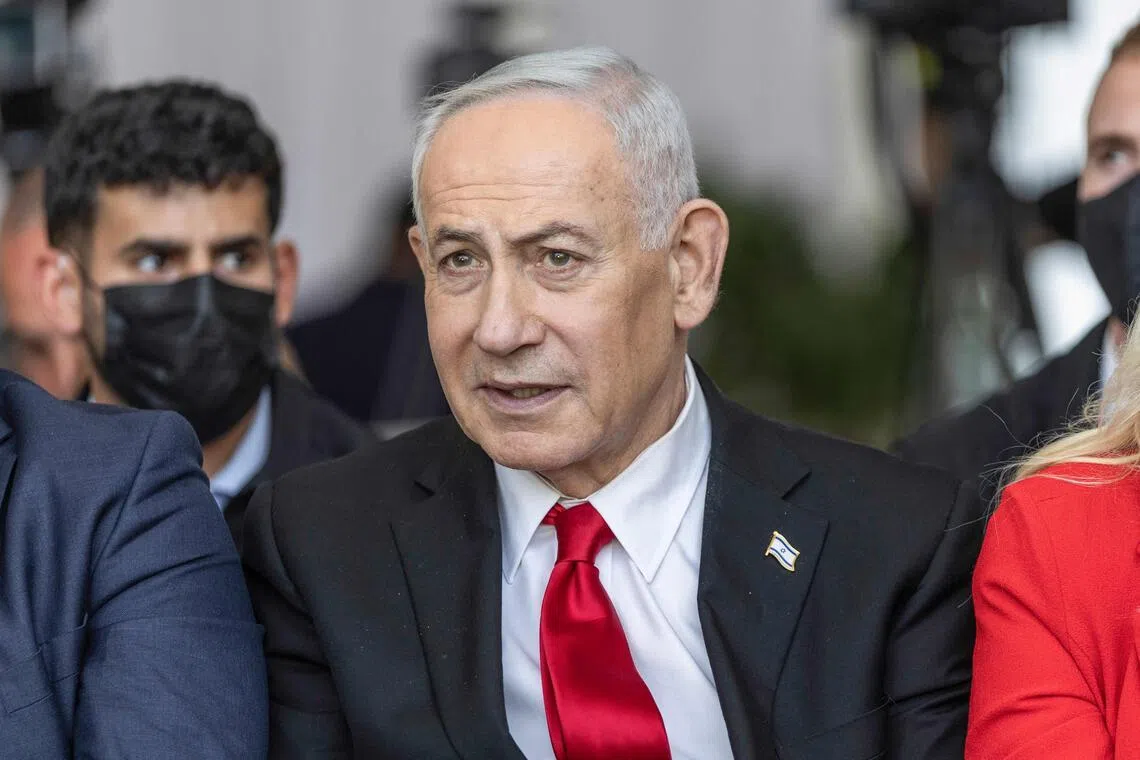
Israeli Prime Minister Benjamin Netanyahu is reportedly racing against time to fulfill promises made to his political allies. This effort comes as opinion polls indicate potential challenges in his bid to secure another term in office. The upcoming election presents a significant hurdle for Netanyahu, with current projections suggesting a difficult path back to power. His administration is under pressure to deliver on commitments made to key coalition partners who are crucial for his political survival. The outcome of these promises could significantly influence the electoral landscape and the stability of any future government he might lead. The political climate in Israel remains tense as the election date approaches, with all parties actively campaigning and seeking to consolidate support. Netanyahu's ability to satisfy his allies' demands will be a critical factor in navigating the complex political terrain.
The political maneuvering by Prime Minister Netanyahu highlights the inherent tension between electoral promises and the practicalities of governance, particularly in coalition-based systems. As elections approach, leaders often face pressure to satisfy diverse ally demands, which can strain resources and policy coherence. This dynamic underscores the challenge of balancing coalition stability with the broader public interest and long-term strategic goals. Future governance models may need to address mechanisms for ensuring accountability and transparency in fulfilling campaign pledges, especially when faced with shifting political alliances and public opinion.
AI-generated to prompt reflection — not editorial opinion, not advice, not a statement of fact. How this works.