Netanyahu meets Trump at White House amid Israeli election and regional tensions
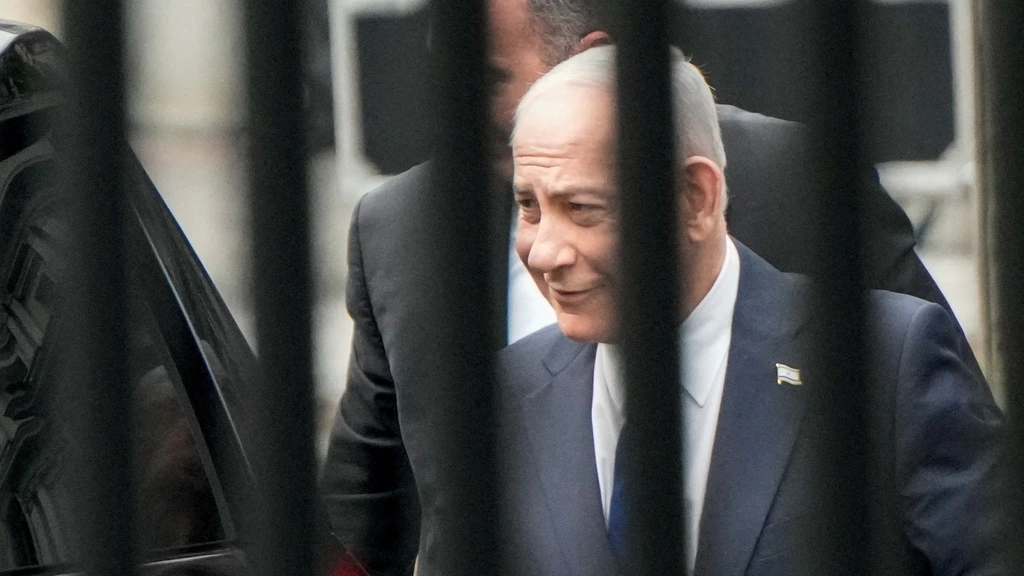
Israeli Prime Minister Benjamin Netanyahu held a private meeting with U.S. President Donald Trump at the White House on an unspecified evening. The White House described the discussions as "productive and positive," though no press conference was held. This meeting is significant for Netanyahu as Israeli elections are scheduled for October 27th, and current polls suggest his coalition may not secure a majority. A strong relationship with President Trump could bolster his domestic political standing. The meeting aimed to demonstrate Netanyahu's continued ability to engage effectively with Trump, particularly as he seeks to project strength ahead of the elections.
Despite previous frequent visits, the relationship between the two leaders reportedly cooled in recent months, with Trump allegedly calling Netanyahu "crazy" after the Israeli prime minister ordered bombings in Beirut. Axios reported that Netanyahu faced greater difficulty securing this meeting than in the past. Unlike previous public welcomes, Netanyahu entered the White House through a side entrance for this discussion, which lasted over an hour. While a February meeting also occurred behind closed doors, their relationship was stronger then, reportedly laying the groundwork for joint action against Iran. Iran remains a key concern for Netanyahu, who seeks continued U.S. support for confronting the nation, while Trump appears to be leaning more towards diplomacy, a stance viewed negatively in Israel due to fears of Iran advancing its nuclear program.
Disagreements also extend to Lebanon, where Trump desires Israeli withdrawal from occupied southern territories. Netanyahu is reluctant but cannot entirely disregard Trump's wishes, leading to a partial withdrawal from one Lebanese village recently. However, Netanyahu and his defense minister have stated they will not fully withdraw as long as Hezbollah remains armed. In Gaza, Netanyahu's security cabinet approved the limited deployment of an international peacekeeping force, aligning with a ceasefire agreement with Hamas mediated by the U.S. in October. The specifics of this force's size and deployment timeline are still unclear, and Israeli media have characterized these moves in Lebanon and Gaza as "symbolic." The outcome of the meeting and the extent of U.S. support for Netanyahu remain to be seen in the coming days.
This high-level diplomatic engagement occurs against a backdrop of significant domestic political pressure for Prime Minister Netanyahu and evolving regional security dynamics. The private nature of the meeting and the reported cooling of personal relations suggest a shift from the highly public and ostensibly warm relationship previously cultivated. Netanyahu's actions, such as troop withdrawals and the acceptance of an international force in Gaza, appear to be strategic concessions aimed at maintaining U.S. alignment, particularly concerning Iran. However, the inherent tension between Netanyahu's desire for a hardline stance against Iran and President Trump's potential pivot towards diplomacy presents a complex challenge. The differing priorities highlight the delicate balance of power and influence between allies, where domestic political considerations on both sides can shape foreign policy objectives and the perceived reliability of mutual support in the face of regional adversaries.
AI-generated to prompt reflection — not editorial opinion, not advice, not a statement of fact. How this works.