Netanyahu opposes F-35 sale to Turkey, citing threats to Greece and Cyprus
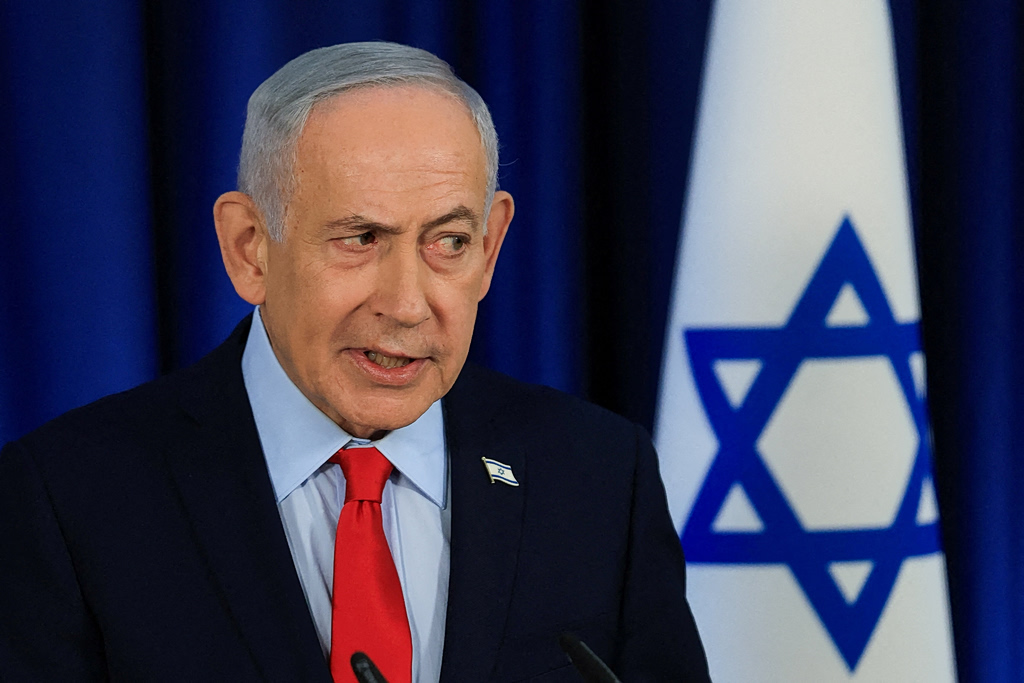
Israeli Prime Minister Benjamin Netanyahu has publicly stated his opposition to the sale of F-35 fighter jets to Turkey. Netanyahu argued that such a sale would pose a threat to Greece and highlighted Turkey's continued occupation of half of Cyprus. This stance comes as Ankara is reportedly seeking to leverage its close relationship with former U.S. President Donald Trump to re-enter the F-35 program. Turkey also aims to have U.S. sanctions lifted. The Turkish government had previously been part of the F-35 program, contributing components, but was removed after purchasing Russian S-400 missile defense systems. The U.S. had imposed sanctions on Turkey's defense industry directorate and its leadership following the S-400 purchase. Netanyahu's comments underscore the complex geopolitical dynamics in the Eastern Mediterranean and the ongoing tensions between Turkey, Greece, and Cyprus.
The Israeli Prime Minister's public opposition to F-35 sales to Turkey highlights regional security concerns and the intricate alliances within the Eastern Mediterranean. From a strategic perspective, the transfer of advanced military technology like the F-35 to a nation with territorial disputes and differing security alignments can alter regional power balances. Netanyahu's framing emphasizes the potential for such arms sales to exacerbate existing geopolitical tensions, particularly concerning Greece and Cyprus. The analysis of this situation involves considering the security implications for all regional actors, the role of international arms control policies, and the potential for technological proliferation to influence future conflict dynamics. The decision-making process for arms sales by major powers like the United States is often influenced by a confluence of diplomatic, economic, and security interests, creating complex trade-offs.
AI-generated to prompt reflection — not editorial opinion, not advice, not a statement of fact. How this works.