Netanyahu Rejects Supreme Court Order, Sparking Constitutional Crisis in Israel
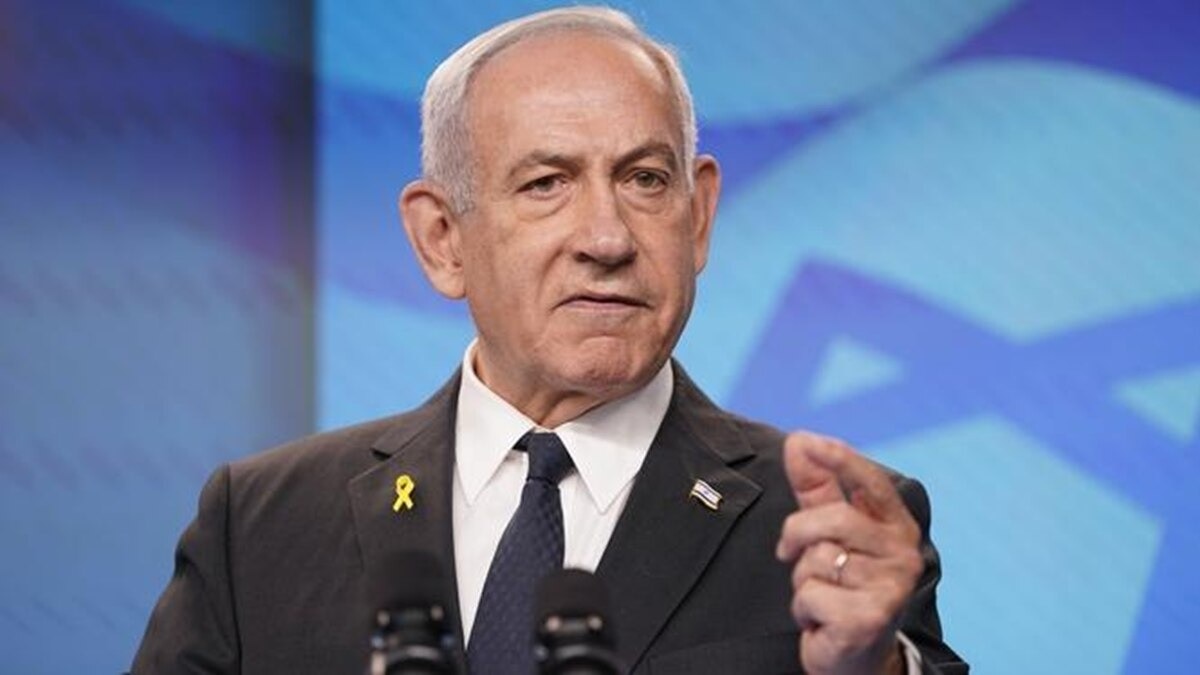
For the first time in Israel's history, Prime Minister Benjamin Netanyahu's government has refused to comply with a Supreme Court order. The confrontation between the government and the judiciary, initially concerning a media regulator, has escalated into a constitutional crisis. Opposition parties and legal experts have voiced grave concerns, labeling the situation a significant threat to the nation's democracy. This unprecedented defiance marks a critical juncture in the balance of power between Israel's branches of government. The refusal to adhere to the court's directive has ignited widespread debate about the rule of law and judicial independence. The implications of this standoff are being closely watched both domestically and internationally, as it could set a precedent for future governmental interactions with the judiciary. The ongoing dispute highlights deep divisions within Israeli society regarding judicial authority and governmental oversight.
The Israeli government's rejection of a Supreme Court order represents a significant challenge to the established checks and balances within its political system. This action could signal a shift in the perceived authority of the judiciary, potentially leading to increased executive power. Such a move may be driven by a desire to implement specific policy agendas without judicial impediment, but it risks undermining public trust in legal institutions and democratic norms. Looking ahead, this event could exacerbate existing societal divisions and influence future governance models, prompting a re-evaluation of judicial review and its constraints in the face of strong executive will. The long-term consequences will depend on the political response and the resilience of democratic institutions in navigating this constitutional impasse.
AI-generated to prompt reflection — not editorial opinion, not advice, not a statement of fact. How this works.