Netanyahu Reportedly Urged Trump to Continue Iran Attacks, Revealing Disagreements
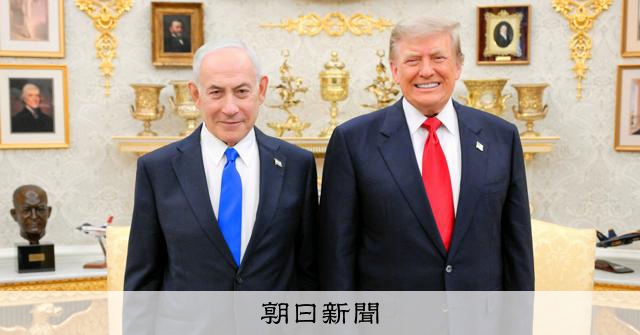
Israeli Prime Minister Benjamin Netanyahu allegedly urged former U.S. President Donald Trump to continue military strikes against Iran. This request, if accurate, highlights significant policy differences between the two leaders regarding Iran. The report suggests that Netanyahu sought a more aggressive stance from the Trump administration towards Iran's nuclear program and regional activities. Trump, however, had previously expressed a desire to de-escalate tensions with Iran, particularly after the assassination of Iranian General Qasem Soleimani in January 2020. The alleged conversation between Netanyahu and Trump underscores the complex dynamics of the U.S.-Israel relationship and their differing strategic priorities in the Middle East. It also raises questions about the extent to which the U.S. would align with Israeli security concerns over its own geopolitical considerations. The report implies that these disagreements may have contributed to the broader strategic divergence between the two leaders on Iran policy. The specifics of the alleged discussion and the exact timing remain unclear, but the implication is that Netanyahu's push for continued action was met with resistance or a different strategic calculus from Trump.
This reported exchange between Prime Minister Netanyahu and former President Trump reveals potential divergences in strategic objectives concerning Iran. While Israel's security calculus often prioritizes preemptive action against perceived threats, U.S. foreign policy under different administrations may weigh broader geopolitical stability, international relations, and domestic considerations more heavily. The differing approaches highlight the inherent tension between allied security demands and a superpower's global strategic interests. Understanding these incentive structures is crucial for navigating future diplomatic engagements and ensuring alignment on complex regional security challenges. The long-term implications of such policy disagreements can shape regional power balances and influence the trajectory of international relations in the coming decade.
AI-generated to prompt reflection — not editorial opinion, not advice, not a statement of fact. How this works.