Netanyahu's Strategy: Escalating Conflict to Boost Poll Numbers
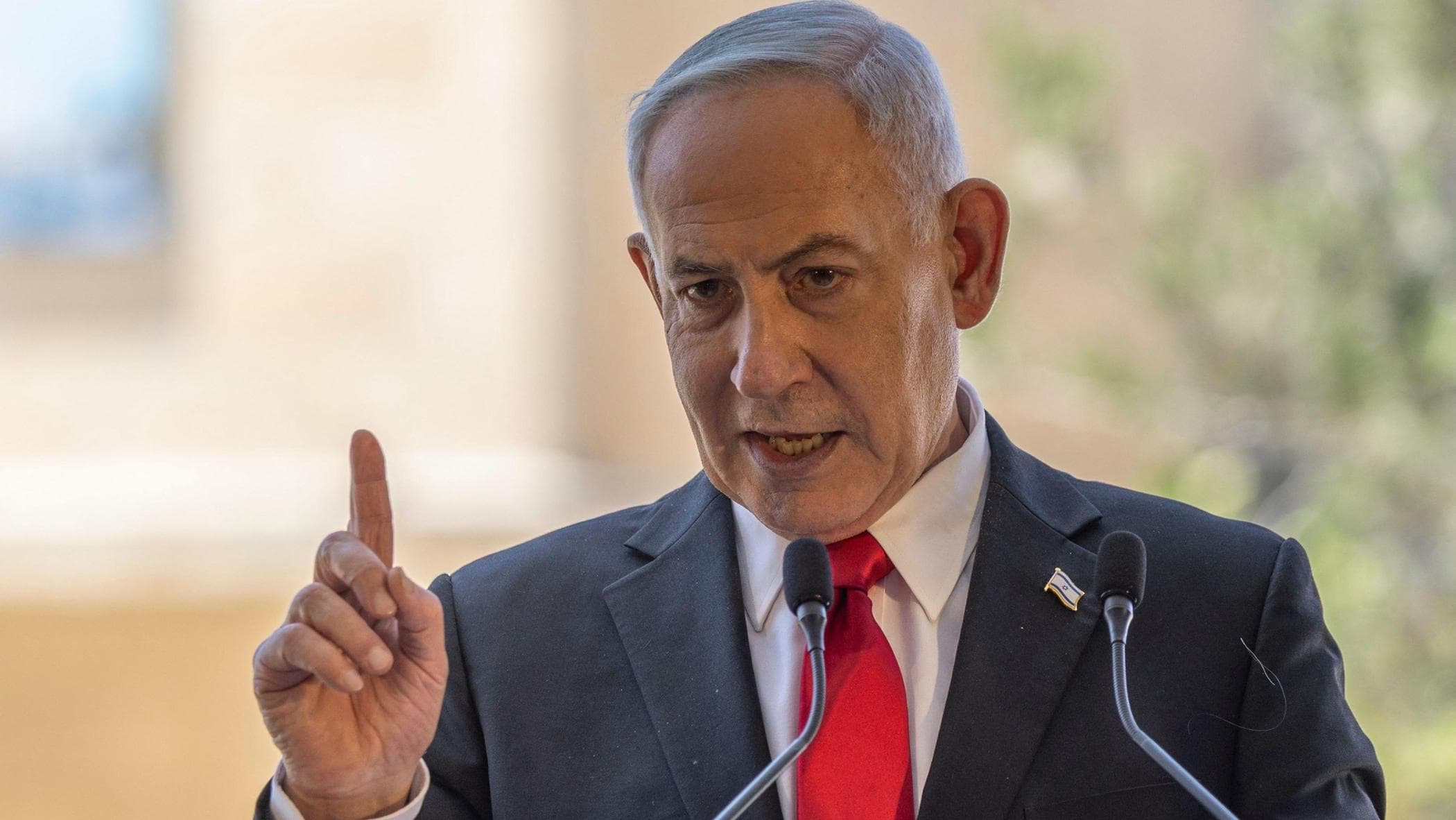
Israeli Prime Minister Benjamin Netanyahu is reportedly betting on a resurgence of hostilities in the Persian Gulf to improve his standing in opinion polls. This strategy comes as Netanyahu faces challenges, including being surpassed by Benny Gantz's National Unity party in recent surveys. His coalition government is also reportedly at a significant disadvantage in terms of public support. The Prime Minister appears to be placing his hopes on a renewed escalation of conflict as a means to regain political momentum. This approach suggests a focus on external security issues as a way to consolidate domestic support amidst internal political pressures. The situation highlights the complex interplay between geopolitical events and domestic politics in Israel.
The reported strategy of leveraging external conflict to bolster domestic political standing presents a classic incentive structure challenge. When electoral prospects dim, leaders may be tempted to exploit geopolitical tensions to rally nationalistic sentiment and distract from internal policy criticisms. This approach, however, risks significant escalation and unintended consequences, potentially destabilizing regional dynamics. From a long-term perspective, reliance on conflict for political gain may undermine sustainable governance and economic stability, diverting resources and attention from crucial domestic issues. The effectiveness of such a strategy is also subject to the unpredictable nature of international relations and public perception, which can shift rapidly.
AI-generated to prompt reflection — not editorial opinion, not advice, not a statement of fact. How this works.