Netanyahu's 'Trump Card' in Israel: Is it Losing Its Effectiveness?
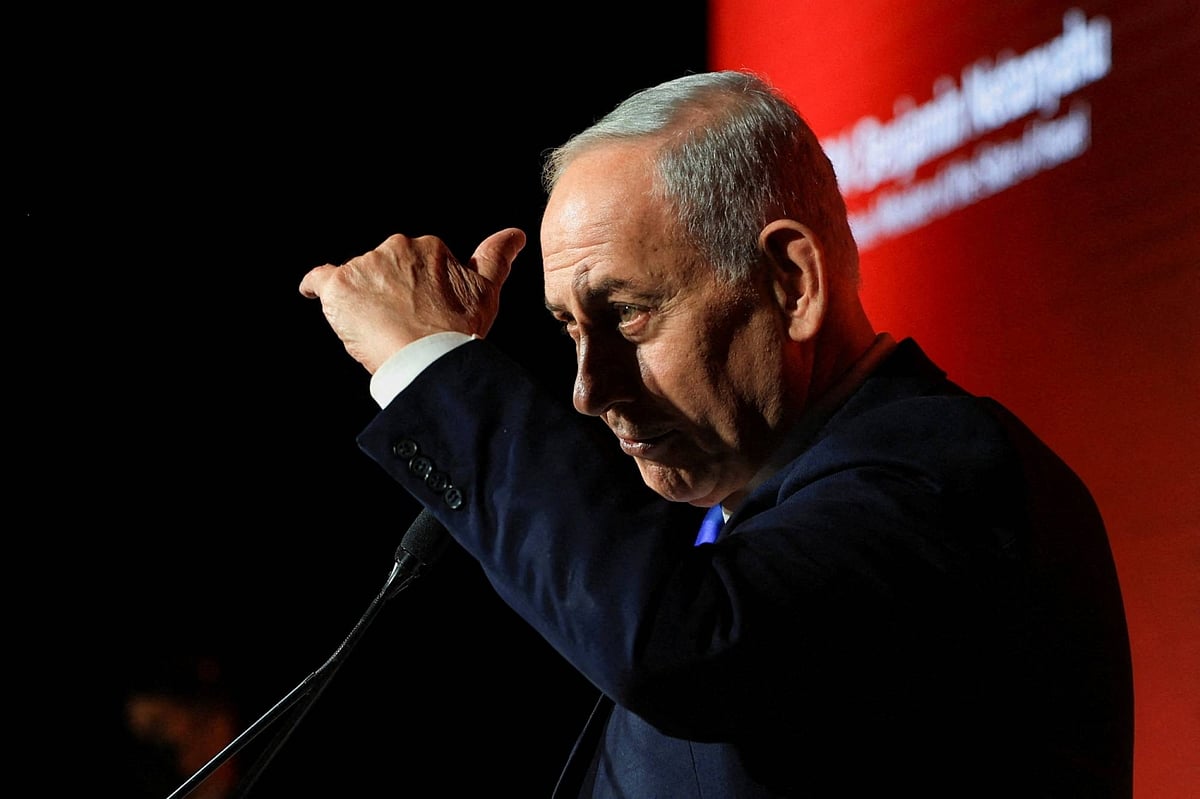
There was a time when it seemed Donald Trump was the most sympathetic U.S. president towards Israel, particularly Prime Minister Benjamin Netanyahu, compared to all previous presidents. This perception suggested a strong alignment and potential advantage for Netanyahu through his relationship with Trump. However, the current political climate and evolving dynamics may be diminishing the impact of this once potent political asset. The article implies that the strategies or benefits derived from this relationship might no longer hold the same sway. It raises questions about whether Netanyahu can still leverage this perceived closeness with a former U.S. president effectively in contemporary Israeli politics. The shift in U.S. administrations and foreign policy priorities could be a significant factor in this perceived decline of influence. The effectiveness of such diplomatic ties is often contingent on the broader geopolitical landscape and the specific needs of the Israeli government at any given time.
The perceived special relationship between Israeli leadership and a former U.S. president highlights the influence of personal diplomacy and perceived alignment on international relations. While such ties can offer strategic advantages, their sustainability is often challenged by shifts in domestic U.S. politics and evolving global priorities. Relying heavily on a single, potentially transient, foreign relationship may create vulnerabilities for a nation's foreign policy, especially when geopolitical landscapes are dynamic. Future diplomatic strategies might benefit from diversifying international partnerships and focusing on institutional rather than personal connections to ensure greater stability and predictability in foreign relations.
AI-generated to prompt reflection — not editorial opinion, not advice, not a statement of fact. How this works.