Netanyahu supports Argentina in World Cup, but not for Messi
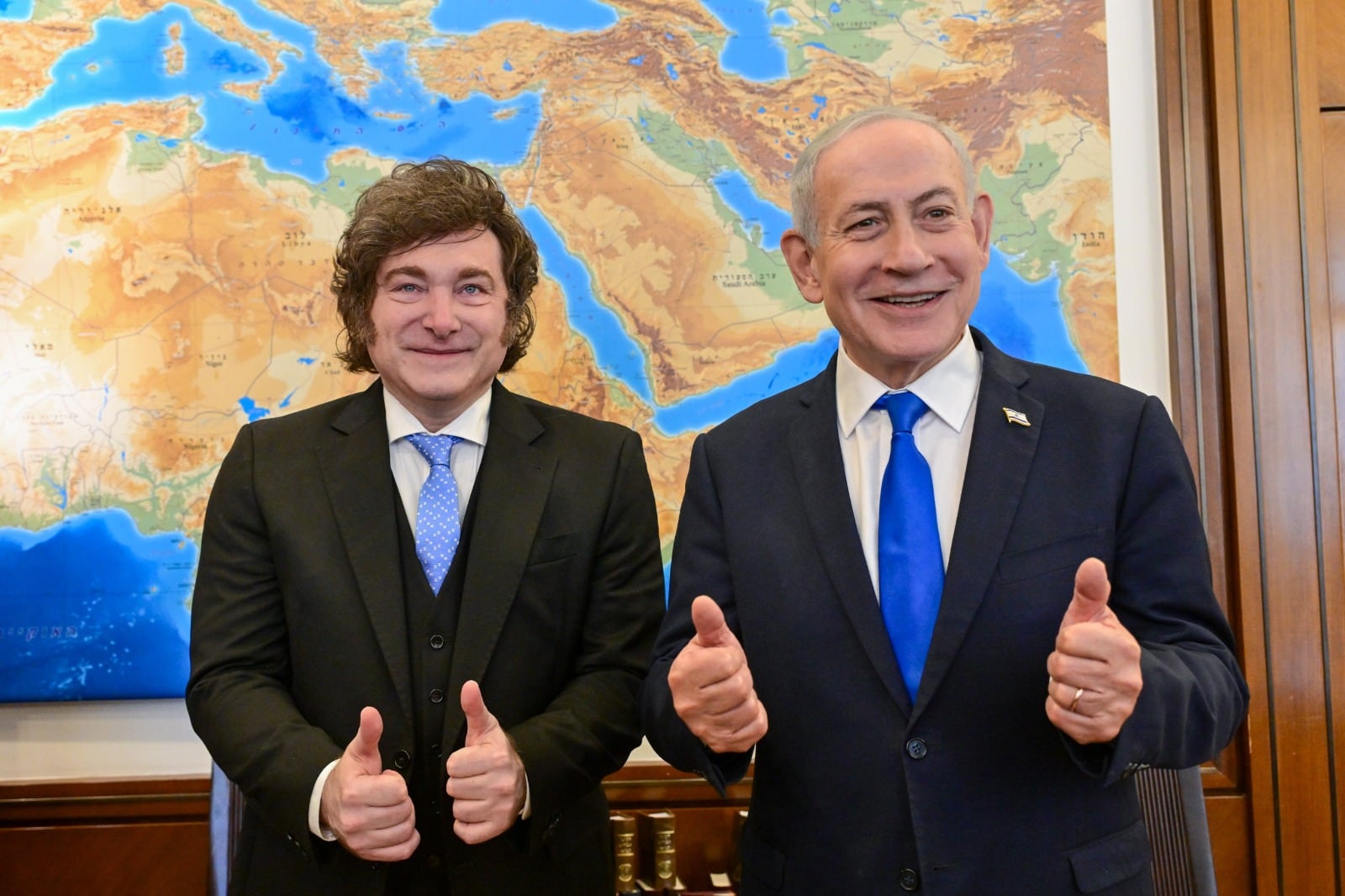
Israeli Prime Minister Benjamin Netanyahu revealed his support for the Argentinian national football team during the World Cup. He explained in a podcast that his preference for the "Albiceleste" is primarily due to his close relationship with the Argentinian president. However, Netanyahu also acknowledged the exceptional talent of the Argentinian team's captain, Lionel Messi. Despite his admiration for Messi, his primary allegiance to the team stems from diplomatic ties rather than solely on the merits of individual players. This statement highlights the intersection of international relations and sporting events, where political connections can influence national allegiances.
This statement from Prime Minister Netanyahu illustrates how geopolitical relationships can extend into cultural spheres like international sports. The incentive for leaders to publicly align with popular global events, such as the World Cup, is often to foster goodwill and strengthen diplomatic ties. By expressing support for Argentina, Netanyahu leverages the existing positive rapport with the Argentinian president, potentially enhancing bilateral relations. This approach demonstrates a strategic use of soft power, where political capital is gained through association with widely admired figures and events, irrespective of individual player performance. The underlying dynamic suggests a prioritization of statecraft over purely sporting fandom in public pronouncements.
AI-generated to prompt reflection — not editorial opinion, not advice, not a statement of fact. How this works.