NetEase's 'Sea of Oblivion' Bets Big on Innovation in Open-World Gaming
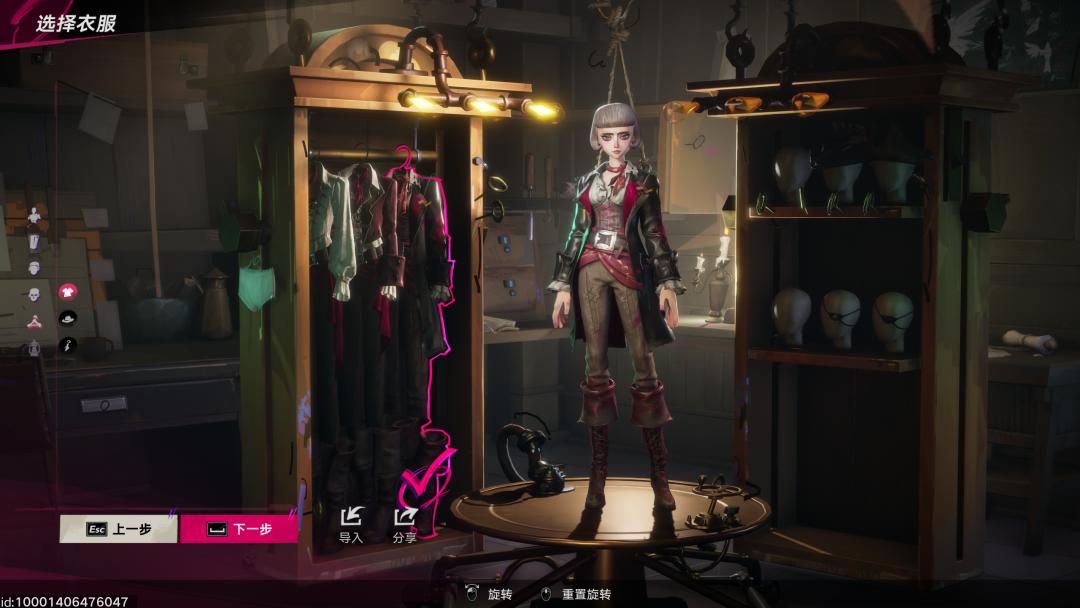
NetEase's Joker studio has launched "Sea of Oblivion," a highly anticipated open-world RPG that has been in development for seven years. The PC version is now in open beta, with the mobile version set to release on July 23rd. This unique sailing game, featuring a quirky puppet art style, has already garnered significant attention, exceeding 36 million pre-registrations and topping charts on platforms like TapTap and Bilibili. Its initial gameplay trailer garnered over 10 million views on Bilibili. Analysts from Great Wall Securities project first-year revenue could reach 5 billion yuan, highlighting the company's strong backing for the title, with management repeatedly praising it as "refreshing." The game boasts cross-platform compatibility and a 50 million yuan creator support program, indicating a substantial investment from NetEase.
"Sea of Oblivion" distinguishes itself with its distinctive art style, blending puppet aesthetics with pop art in a vibrant, high-saturation world, setting it apart from the prevalent realistic or anime-inspired designs in the current market. The core gameplay loop revolves around a "search, fight, retreat" cycle, where each voyage is akin to a Roguelike adventure. Upon returning to port or being defeated, players lose most acquired items, retaining only rare resources for long-term progression. This design emphasizes the importance of strategic decision-making during each expedition. The game features a dynamic combat system, shifting from real-time naval battles to turn-based strategy on land, incorporating dice-based mechanics for skill activation and enemy vulnerability. A bold move is the implementation of a player-driven trading system, allowing free-to-play users to acquire premium items by trading in-game currency earned through gameplay, theoretically enabling players to obtain all paid content without direct purchase. This system aims to provide significant positive feedback to the core gameplay loop by giving exploration a broader social and economic value.
Further ambition is evident in the game's multi-cycle progression and interactive main city. The "Journey of Oblivion" gameplay cycle, lasting seven days, allows for exponential efficiency gains in subsequent playthroughs as players deepen their understanding of game mechanics. The main city, Otopya, is designed as a fully explorable environment where player actions can influence NPC behavior, shop operations, and faction dynamics, leading to unique emergent endings. Narrative is delivered through fragmented storytelling and branching choices, offering a more immersive experience than traditional linear plots. The diverse sea regions, from bright treasure-hunting locales to fog-shrouded tactical zones, enhance the exploration aspect. Ultimately, "Sea of Oblivion" represents NetEase's daring approach to redefining open-world game design, prioritizing creative innovation and player agency over conventional market trends.
NetEase's "Sea of Oblivion" represents a significant strategic gamble in the competitive open-world gaming market, aiming to differentiate itself through a confluence of innovative mechanics. The game's core "search, fight, retreat" loop, combined with Roguelike elements and a player-driven economy, attempts to create a sustainable, engaging experience that transcends typical grind-heavy progression. The introduction of a trading system that theoretically allows free-to-play players to access premium content challenges traditional monetization models, potentially fostering a more loyal and invested player base. However, this approach introduces considerable systemic risk; maintaining economic balance and user engagement across diverse player spending habits will require sophisticated, adaptive governance and a substantial, active player community. The game's success hinges on its ability to manage these complex interdependencies and deliver on the promise of emergent gameplay, moving beyond mere content expansion to a deeper, rule-based innovation in open-world design. The long-term viability will depend on NetEase's capacity for continuous system tuning and its willingness to embrace the inherent unpredictability of such a player-centric ecosystem.
AI-generated to prompt reflection — not editorial opinion, not advice, not a statement of fact. How this works.