Netflix Faces Backlash Over AI-Generated Gene Wilder Voice for Willy Wonka Show
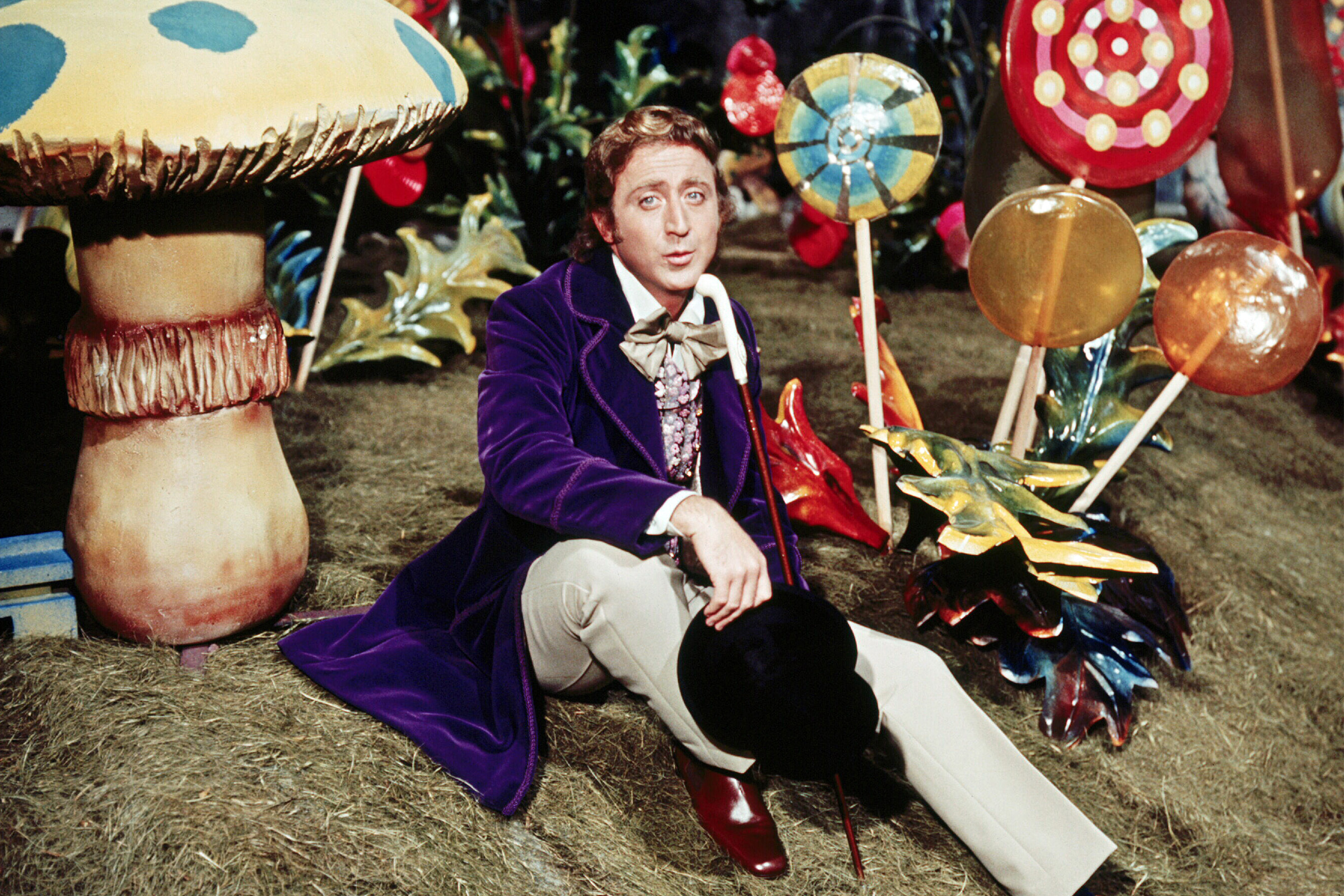
Netflix is reportedly facing significant backlash from fans and the public after it was revealed that the company is considering using artificial intelligence to recreate the voice of the late actor Gene Wilder for a Willy Wonka reality show. The news has sparked outrage, with many expressing their strong disapproval of the technology being used in this manner. Critics argue that using AI to mimic the voice of a deceased actor is disrespectful to their legacy and exploits their image without consent. The specific details of the reality show and the extent to which Gene Wilder's voice would be used remain unclear, but the mere prospect has ignited a fierce debate online. Many fans have voiced their hope that the project will be canceled due to these ethical concerns. This controversy highlights the growing unease surrounding the use of AI in creative industries and the potential for misuse of digital likenesses.
The controversy surrounding Netflix's alleged use of AI to replicate Gene Wilder's voice underscores a critical tension between technological capability and ethical application in the entertainment industry. While AI offers novel avenues for content creation, its deployment to resurrect the voices of deceased performers raises profound questions about legacy, consent, and the commodification of identity. This situation prompts consideration of industry-wide governance frameworks for AI-generated performances, balancing innovation with respect for artistic heritage and audience sentiment. The long-term implications involve defining the boundaries of digital resurrection and its potential impact on the value of original performances and the rights of artists and their estates in the digital age.
AI-generated to prompt reflection — not editorial opinion, not advice, not a statement of fact. How this works.