Netflix's 'Little House' Reboot Offers Gritty, Joyous Take on Classic Series
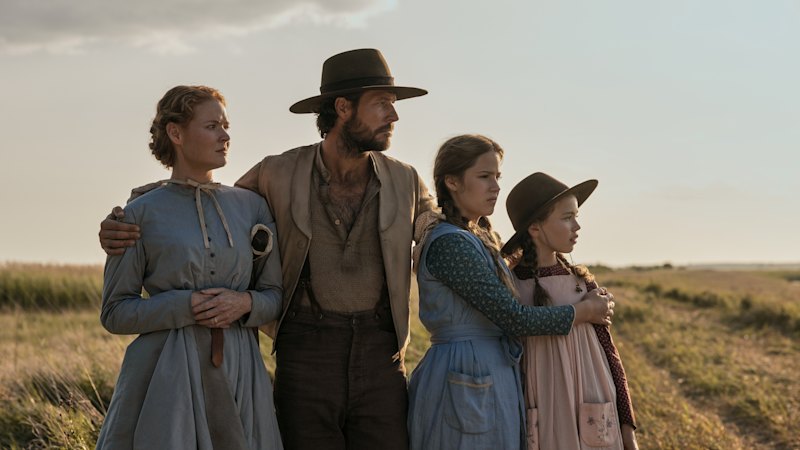
Netflix is set to release a new adaptation of 'Little House on the Prairie,' aiming for a more nuanced and historically realistic portrayal than the original television series. The reboot is designed to appeal to both long-time fans of the franchise and audiences unfamiliar with the Ingalls family's story. Early descriptions suggest the new version will balance gritty elements with joyous moments, reflecting a modern approach to storytelling.
The original 'Little House on the Prairie' series, which aired from 1974 to 1983, was based on Laura Ingalls Wilder's semi-autobiographical books. While beloved for its wholesome depiction of pioneer life, the show has been criticized in contemporary discussions for its perceived lack of historical accuracy and its sometimes simplistic moral lessons. The upcoming Netflix version aims to address these critiques by incorporating deeper character development and a more authentic representation of the challenges faced by families in the late 19th century American West.
Producers of the reboot have indicated a desire to explore complex themes relevant to today's viewers, while still retaining the core spirit of resilience and community that defined the original. The updated narrative is expected to delve into social issues of the era with greater depth, providing a richer and more engaging experience for a diverse audience. This fresh perspective seeks to honor the legacy of 'Little House' while making it relevant for a new generation.
This reboot aims to reframe a classic narrative for contemporary audiences by emphasizing historical realism and nuanced storytelling, potentially addressing criticisms of the original series' perceived simplicity and anachronisms. By balancing 'gritty' elements with 'joyous' themes, the production seeks to navigate the evolving expectations of viewers and the streaming market, which often favors content that engages with complex social dynamics. The success of such a project will likely hinge on its ability to authentically represent historical challenges without alienating its original fanbase or resorting to superficial modernization. This approach reflects a broader trend in media to revisit established intellectual property with a critical lens, seeking to find new relevance through updated thematic explorations and stylistic choices, while also managing potential backlash from differing audience expectations.
AI-generated to prompt reflection — not editorial opinion, not advice, not a statement of fact. How this works.