Netherlands' 49 Euro Train Ticket Ends, Future of Discounted Travel Uncertain
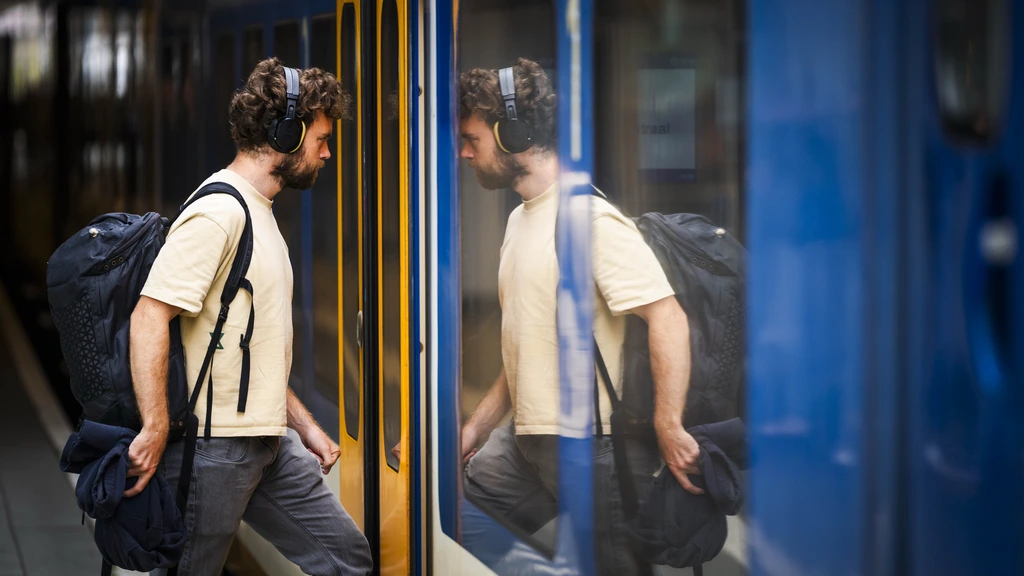
The "Nederland-ticket," a 49 euro monthly train pass launched in mid-June to counter high fuel prices, concludes its sales today. Over 550,000 people purchased the ticket, falling short of the government's projection of 1 million sales but still considered a success by the NS (Dutch Railways). The initiative, which allocated 118 million euros, allowed travel only during off-peak hours. Approximately one-third of buyers were new to NS subscriptions, with the largest user group being 25- to 29-year-olds, numbering around 53,000. NS expressed hope that the discounted travel would convert users into regular train commuters and indicated plans for continued affordable ticket offerings after the summer.
Starting September 1st, the 49 euro ticket will be replaced by regular fares, with monthly subscriptions costing 127.95 euros. Professor Bert van Wee of TU Delft is skeptical about sustained adoption, citing travel behavior as largely habitual. He anticipates that most users will not renew due to the significant price increase, with only a small group likely to continue purchasing discounted tickets. Van Wee also noted that the Dutch ticket's off-peak restriction limits its impact on commuting, unlike its German counterpart, the Deutschlandticket. Travelers like Mart Leegsma, Maartje Soeters, and Melvin Dirks praised the ticket for its affordability and convenience, with Dirks highlighting its environmental benefits. Despite the off-peak limitation, all three expressed a desire for the ticket to remain.
The Ministry of Infrastructure and Waterstaat is enthusiastic about the pilot and is exploring a permanent, nationwide version of the ticket. This potential future offering would also encompass buses, trams, and metros, which are not included in the current Nederland-ticket. The ministry aims to keep the barrier to public transport use as low as possible.
The Nederland-ticket pilot aimed to incentivize public transport use by offering a low-cost, off-peak travel option, mirroring the successful Deutschlandticket. While achieving significant uptake, its ultimate success hinges on converting temporary users into long-term subscribers, a challenge complicated by the return to higher standard fares and the inherent inertia of commuter habits. The off-peak restriction, a key differentiator from the German model, likely limited its impact on daily commuting, suggesting that future iterations might need to balance affordability with broader utility to foster sustained behavioral change. The government's interest in a permanent, integrated public transport pass indicates a strategic focus on reducing reliance on private vehicles and promoting sustainable mobility, aligning with long-term decarbonization goals.
AI-generated to prompt reflection — not editorial opinion, not advice, not a statement of fact. How this works.