Netherlands Attracts 34 Top International Scientists, Primarily from the US, via Tulp Fund
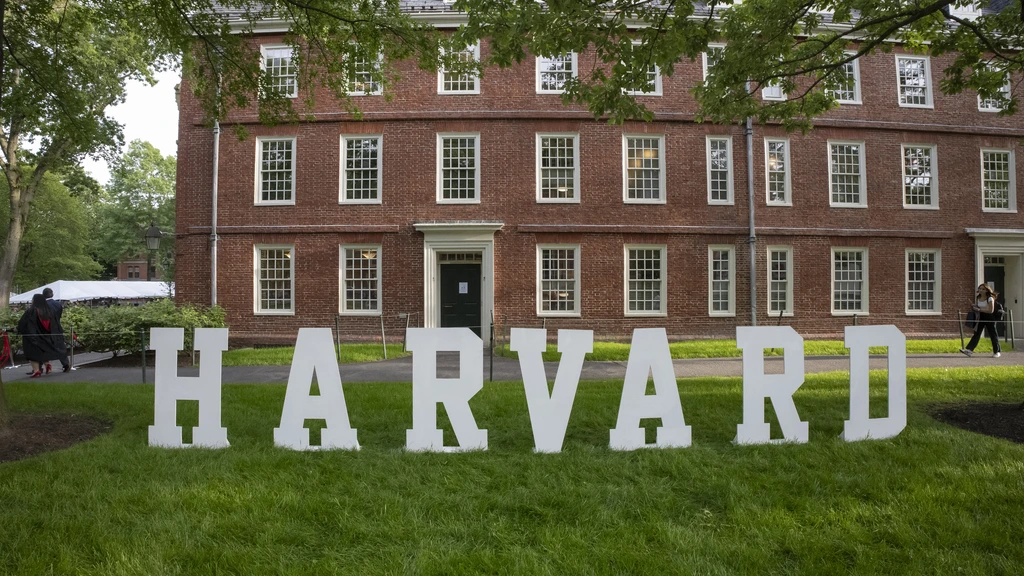
The Netherlands has successfully attracted 34 leading international scientists through the Tulp Fund, with the majority originating from the United States. Established in 2025 by the Ministry of Education and the research financier NWO, the fund aims to bolster Dutch science by bringing in non-EU researchers. This initiative also provides a haven for scientists whose academic freedom or research opportunities have been curtailed in their home countries, particularly in the US under recent policy shifts. The Tulp Fund has a total budget of 50 million euros, with the Ministry of Education contributing 25 million euros, which NWO then matched. Universities, University Medical Centers, and Universities of Applied Sciences were able to nominate researchers for the program. Of the 34 selected scientists, 29 are currently based in or come from the United States, including individuals from prestigious institutions like Harvard, Stanford, Columbia, and Yale, as well as American federal research institutes. The shift in US scientific and climate policy, marked by deregulation and reduced funding, has impacted many researchers. Other scientists are relocating to the Netherlands from countries including Israel, Turkey, the United Kingdom, and Singapore. These researchers will focus on critical areas for the Netherlands, such as artificial intelligence, quantum technology, vaccines, nuclear energy, cancer, Alzheimer's disease, climate, and food production. Each knowledge institution can receive up to 1 million euros per researcher for a five-year period, with further allocations expected in 2027 within the existing budget. Minister Letschert of Education highlighted the positive impact of these scientists, anticipating new knowledge, international collaborations, and a strengthened Dutch scientific community.
The Tulp Fund's strategy of attracting international scientific talent, particularly from nations experiencing policy shifts that may impact academic freedom or research funding, represents a proactive approach to bolstering national scientific capacity. By leveraging 50 million euros to secure researchers in high-impact fields like AI and quantum technology, the Netherlands is positioning itself for future innovation. This initiative implicitly highlights the global competition for intellectual capital and the potential for policy decisions in one country to create opportunities elsewhere. The program's success hinges on its ability to integrate these researchers into the Dutch ecosystem, fostering long-term contributions beyond the initial five-year funding period and ensuring that the 'brain drain' from other nations translates into a sustained 'brain gain' for the Netherlands.
AI-generated to prompt reflection — not editorial opinion, not advice, not a statement of fact. How this works.