Netherlands Bans Temporary Staff in Meat Sector Amid Widespread Labor Abuses
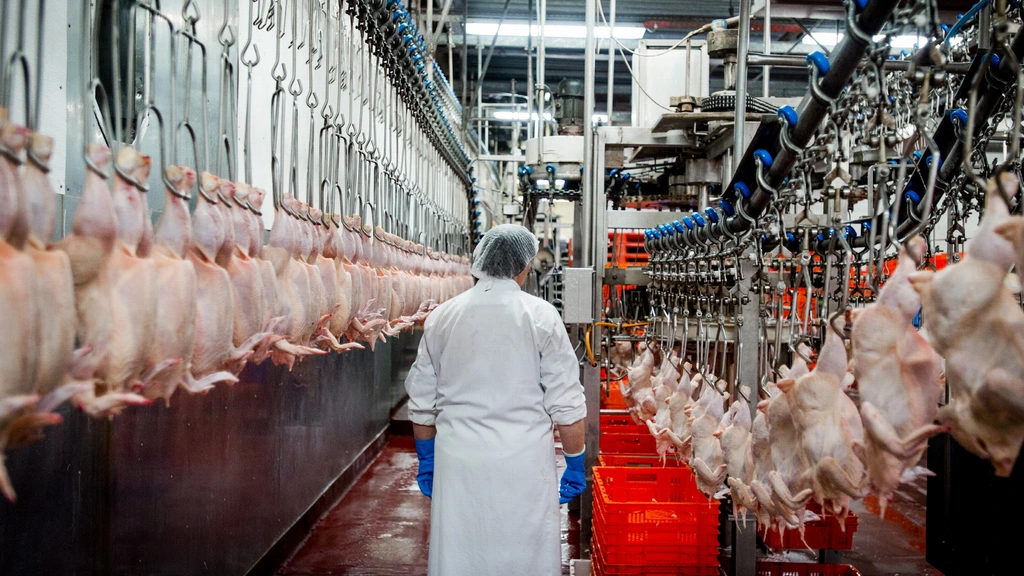
The Dutch government has announced a sweeping ban on the use of temporary employment agencies for workers in the meat processing sector, aiming to combat persistent labor abuses. This measure, set to take effect in mid-2028, follows a similar policy implemented in Germany several years ago. The ban mandates that meat companies must directly employ their workforce, a move intended to improve oversight of working hours, prevent unpaid overtime, ensure proper wages, and guarantee social security benefits. Experts suggest that a direct employment relationship offers significant advantages for worker protection.
The decision comes in response to a report by the Dutch Labor Inspectorate, which documented nearly 400 reports of systemic issues between 2023 and early 2026. These documented abuses include underpayment, illegal employment, frequent workplace accidents, exorbitant housing costs, intimidation, being forced to work while ill, unexpected deductions for tools, and unfair dismissals. The report highlights severe cases, such as an employee suffering multiple hernias while being forced to handle heavy boxes without support from their agency, and a migrant worker experiencing a severe injury at a machine, with delayed medical attention leading to complications.
Industry organizations, including VleesNL and Nepluvi, have reacted with strong opposition, labeling the ban "draconian" and "disproportionate." They argue it unfairly penalizes the entire sector and overlooks existing improvements, suggesting the government's move reflects its own inability to address rogue practices. The Dutch Association of Temporary Employment Agencies (NBBU) also criticized the measure, stating it punishes compliant businesses alongside those engaging in malpractice. The ban's inspiration from Germany suggests a belief that such policies can lead to better working conditions and a reduction in accidents, as observed in the German meat industry.
The Dutch government's decision to ban temporary staffing in the meat sector addresses documented systemic labor abuses, including underpayment and unsafe working conditions, by shifting towards direct employment. This policy aims to enhance worker protections and accountability, drawing parallels with Germany's earlier implementation. The strong industry pushback, citing potential cost increases and broad-brush penalties, highlights the tension between regulatory intervention and business operational models. Examining this through a future-oriented lens, the policy reflects a broader societal trend toward scrutinizing gig economy and outsourced labor models, particularly in sectors reliant on migrant workers. The long-term success will depend on effective enforcement and whether direct employment genuinely translates into sustainable improvements in working conditions and fair compensation, rather than simply shifting cost burdens or creating new loopholes.
AI-generated to prompt reflection — not editorial opinion, not advice, not a statement of fact. How this works.