Netherlands Braces for Heatwave: South May Hit 34°C, Europe Faces Fire Risks
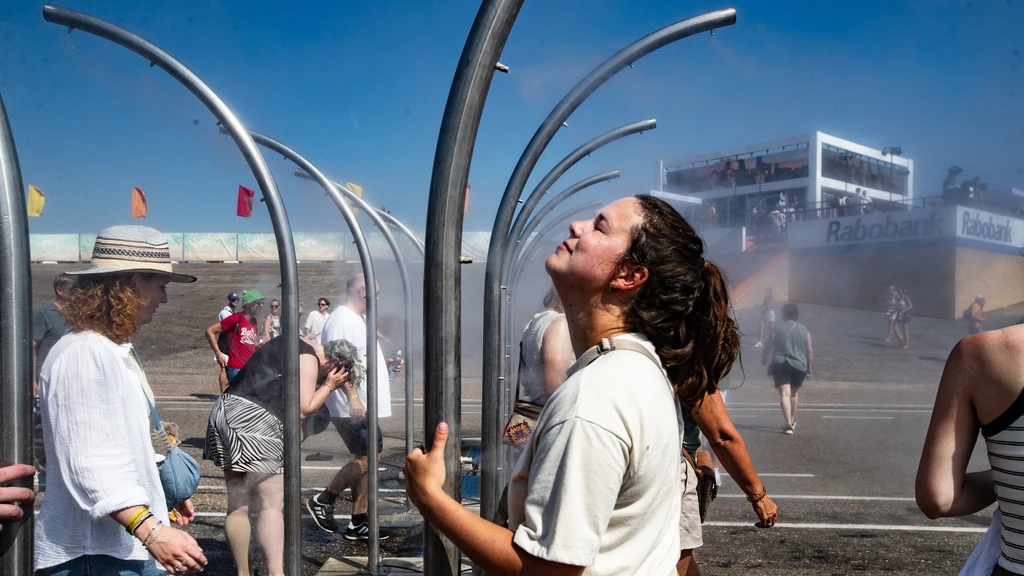
The Netherlands is anticipating a new period of warm weather, with temperatures expected to rise significantly, particularly in the southern regions. Starting Saturday morning, Code Yellow will be in effect for the central and southern parts of the country, and the National Heat Plan will be activated due to the anticipated heat. Weekend temperatures in these areas are forecast to range from 30 to 33 degrees Celsius. There is a possibility that temperatures could reach 34 degrees Celsius on Sunday in parts of Limburg, North Brabant, and potentially Zeelandic Flanders. In contrast, the northern regions, including the Wadden Islands and the northern coasts of Friesland and Groningen, will experience cooler temperatures between 22 and 24 degrees Celsius due to a northeasterly wind. Some northern areas might experience cloudiness or fog on Saturday morning as clouds drift in from the sea, but this is expected to dissipate quickly. Following the weekend, the heat is expected to persist into the week, with temperatures remaining at or above 30 degrees Celsius in the central and southern parts, while the north remains a few degrees cooler. By Wednesday, increased cloud cover and a higher chance of showers are predicted, with the potential for thunderstorms as the weather shifts from warm and dry to cooler and more variable. Meanwhile, parts of France and Spain are facing severe fire risks, with temperatures expected to reach 35 to 40 degrees Celsius. The dry vegetation, a result of a wet spring followed by a hot June, combined with strong winds, is exacerbating the spread of wildfires in these regions.
This forecast highlights the intensifying meteorological challenges posed by sustained warm periods, necessitating proactive public health measures like the National Heat Plan. The disparity in temperatures between the north and south of the Netherlands underscores the localized impacts of weather systems. Globally, the concurrent extreme heat and wildfire risks in Southern Europe, exacerbated by vegetation conditions, demonstrate a critical feedback loop where prolonged heat dries out landscapes, increasing fire vulnerability. This pattern suggests a need for integrated climate adaptation strategies that address both public health during heatwaves and land management to mitigate wildfire spread, particularly as such events are projected to become more frequent and severe in the coming decade.
AI-generated to prompt reflection — not editorial opinion, not advice, not a statement of fact. How this works.