Netherlands braces for rain, then potential tropical heatwave
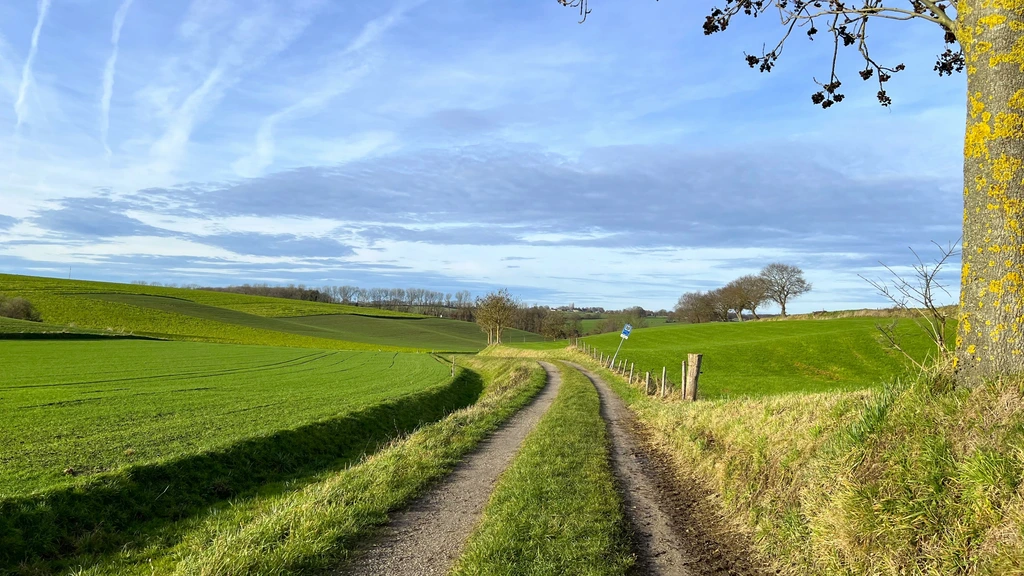
Following a recent warm spell, the Netherlands experienced average summer weather last week, with northwesterly winds bringing cooler air and temperatures between 20 and 25 degrees Celsius. While occasional light rain fell, it was insufficient to alleviate the ongoing drought conditions. This cooler air mass also affected large parts of Scandinavia, Germany, Austria, Czech Republic, and the Balkans, where temperatures were slightly below seasonal averages. The forecast indicates that thunderstorms are likely to develop in the coming days along the boundary between cold and warm air masses. No rain is expected on Friday and Saturday, with temperatures rising to between 20 and 28 degrees Celsius by Saturday. Sunday, however, will see a significant drop in temperature accompanied by frequent showers across the country. While inconvenient for outdoor plans, many will welcome the rain after an extended dry period, enjoying the phenomenon known as petrichor. The week following the weekend is expected to bring another dry spell as winds shift to the south, drawing very warm air from Spain and France, where temperatures have recently reached 35 to 40 degrees Celsius. This influx of hot air could lead to tropical temperatures in the Netherlands once again.
The meteorological shifts described highlight the increasing volatility of European weather patterns, potentially linked to broader climate change dynamics. The contrast between the recent cool spell and the anticipated return of tropical heat underscores the challenge for infrastructure and agriculture in adapting to extreme temperature swings. As regions experience prolonged dry periods interspersed with intense rainfall and heatwaves, water management strategies and resilient urban planning will become paramount. The economic implications of such variability, affecting sectors from agriculture to tourism, warrant proactive policy development focused on long-term climate adaptation and mitigation efforts. Future weather patterns may necessitate a re-evaluation of seasonal expectations and preparedness protocols across the continent.
AI-generated to prompt reflection — not editorial opinion, not advice, not a statement of fact. How this works.