Netherlands Braces for Tropical Heatwave, Followed by Gradual Cooling
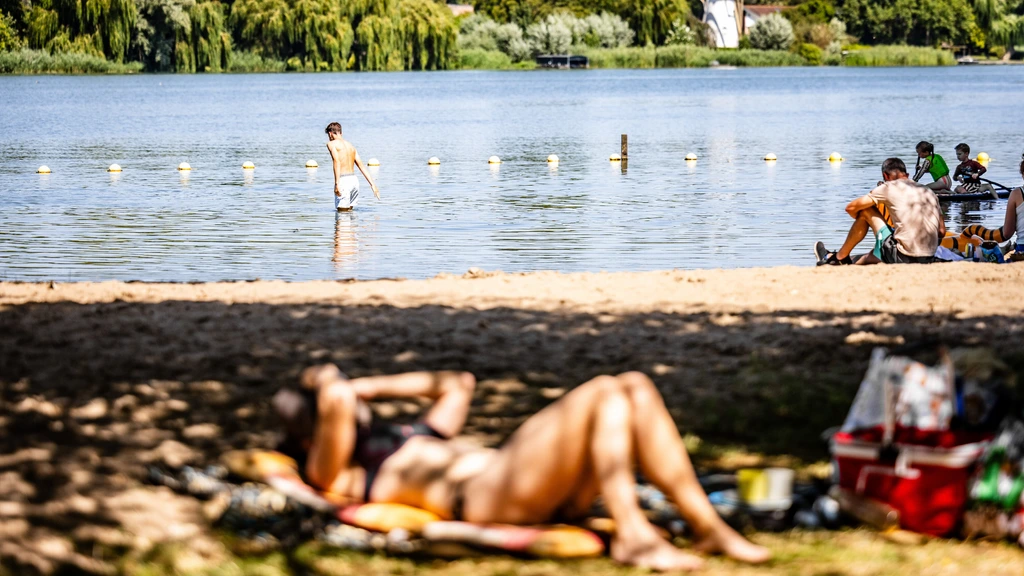
The Netherlands is set to experience a tropical heatwave starting tomorrow, prompting the National Heat Plan from the National Institute for Public Health and the Environment (RIVM). The RIVM advises vulnerable populations, including the elderly, to stay hydrated, keep homes cool, and limit strenuous activity between 12:00 PM and 6:00 PM. The heat plan has already been activated in the southeastern regions since today. Overnight temperatures will remain mild, dipping just below 20 degrees Celsius, though urban areas may stay warmer. Tomorrow afternoon, most of the country will experience tropical conditions with temperatures ranging from 30 to 35 degrees Celsius, with the south being the hottest. The Wadden Islands might see temperatures just under 30 degrees. Sunny skies are expected, with some high clouds and potential for cumulus clouds later in the day. Isolated thunderstorms are possible in the southeast during the evening. The night leading into Tuesday will be very warm, with temperatures in cities not falling below 23 degrees Celsius and remaining around 20 degrees in open areas. Tuesday will also be tropical, with highs of 30 to 32 degrees Celsius. Despite being slightly cooler than Monday, higher humidity will make it feel muggy and oppressive. Scattered thunderstorms are anticipated, particularly in the eastern parts of the country. From Wednesday onwards, temperatures will decrease significantly, reaching 26 degrees Celsius on Wednesday, 23 degrees on Thursday, and 22 degrees on Friday. These temperatures will be closer to the long-term average for August, with mostly dry conditions and intermittent sunshine, apart from occasional showers.
The RIVM's activation of the National Heat Plan highlights the increasing frequency and intensity of heatwaves, a predictable consequence of long-term climate trends. While public health advisories aim to mitigate immediate risks for vulnerable groups, the recurring nature of such events underscores the need for systemic adaptation strategies. These could include urban planning reforms to reduce heat island effects, improved infrastructure resilience, and public awareness campaigns that go beyond short-term behavioral advice. The contrast between the tropical peak and the subsequent return to average temperatures illustrates the volatility of weather patterns, emphasizing the challenge for sectors reliant on predictable climate conditions, such as agriculture and tourism. Long-term planning must account for these amplified extremes to ensure societal well-being and economic stability in the face of a changing climate.
AI-generated to prompt reflection — not editorial opinion, not advice, not a statement of fact. How this works.