Netherlands Considers Legalizing Swimming in Canals and Rivers Amid Heatwaves
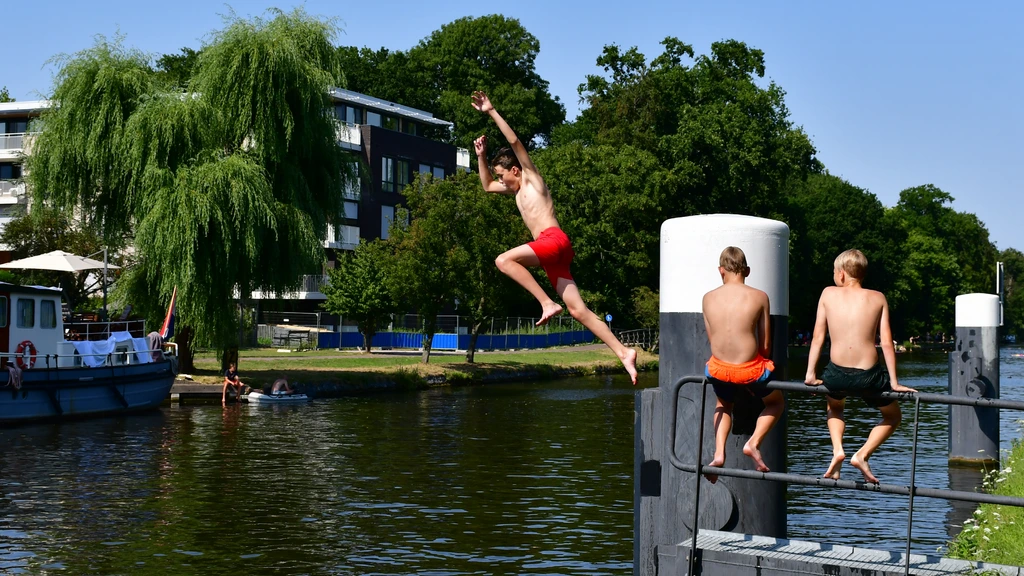
As temperatures rise in the Netherlands, many people seek relief by swimming in rivers and canals, often in areas where it is officially prohibited. Currently, swimming in shipping lanes, canals, and near bridges, locks, and harbors is forbidden, with violators facing a 170-euro fine. However, several municipalities are exploring the possibility of designating some of these currently unsafe swimming spots as safe for public use. One such location is the Vliet canal in Voorburg, where residents have been swimming for years despite the official ban due to risks of ship collisions and dangerous whirlpools. The province of South Holland has initiated a motion to investigate the safety of this and other waterside locations, considering factors such as swimmer safety, maritime traffic, and water quality. Tessa Beeloo of the Provincial States highlighted the province's responsibility for recreational areas and the increasing need for cooling-off spots in densely urbanized South Holland, especially given declining water quality in some areas. Meanwhile, Costa del Spui, a beach on the Spui near Goudswaard, has been made a safe swimming area through infrastructure improvements like extended breakwaters and safety lines. While the Vliet will remain off-limits this summer, provincial authorities aim to change the regulations for next year, recognizing the growing population, particularly children, and the need for accessible, affordable swimming opportunities for all residents, including those who cannot afford vacations or pay for parking at traditional swimming locations. Residents can check local water safety on the zwemwater.nl website.
The Dutch initiative to potentially legalize swimming in canals and rivers reflects a growing tension between public safety regulations and the practical needs of urban populations during increasingly frequent heatwaves. As climate change intensifies, the demand for accessible, low-cost recreational water spaces will likely rise, particularly in densely populated areas. This situation presents a systemic challenge for governance, requiring a balance between ensuring public safety, managing environmental quality, and adapting infrastructure to meet evolving societal demands. The exploration of converting existing waterways into safe swimming zones, as seen with the Vliet canal and Costa del Spui, suggests a pragmatic approach to urban planning. Future policy decisions will need to consider the long-term implications of water management, including the potential impact on biodiversity and the ongoing costs associated with maintaining safe swimming conditions amidst active shipping and potential pollution sources. This proactive stance could serve as a model for other regions facing similar pressures, emphasizing adaptive infrastructure and community-driven solutions to climate resilience.
AI-generated to prompt reflection — not editorial opinion, not advice, not a statement of fact. How this works.