Netherlands' Crucial Role in US-China AI Supremacy Battle
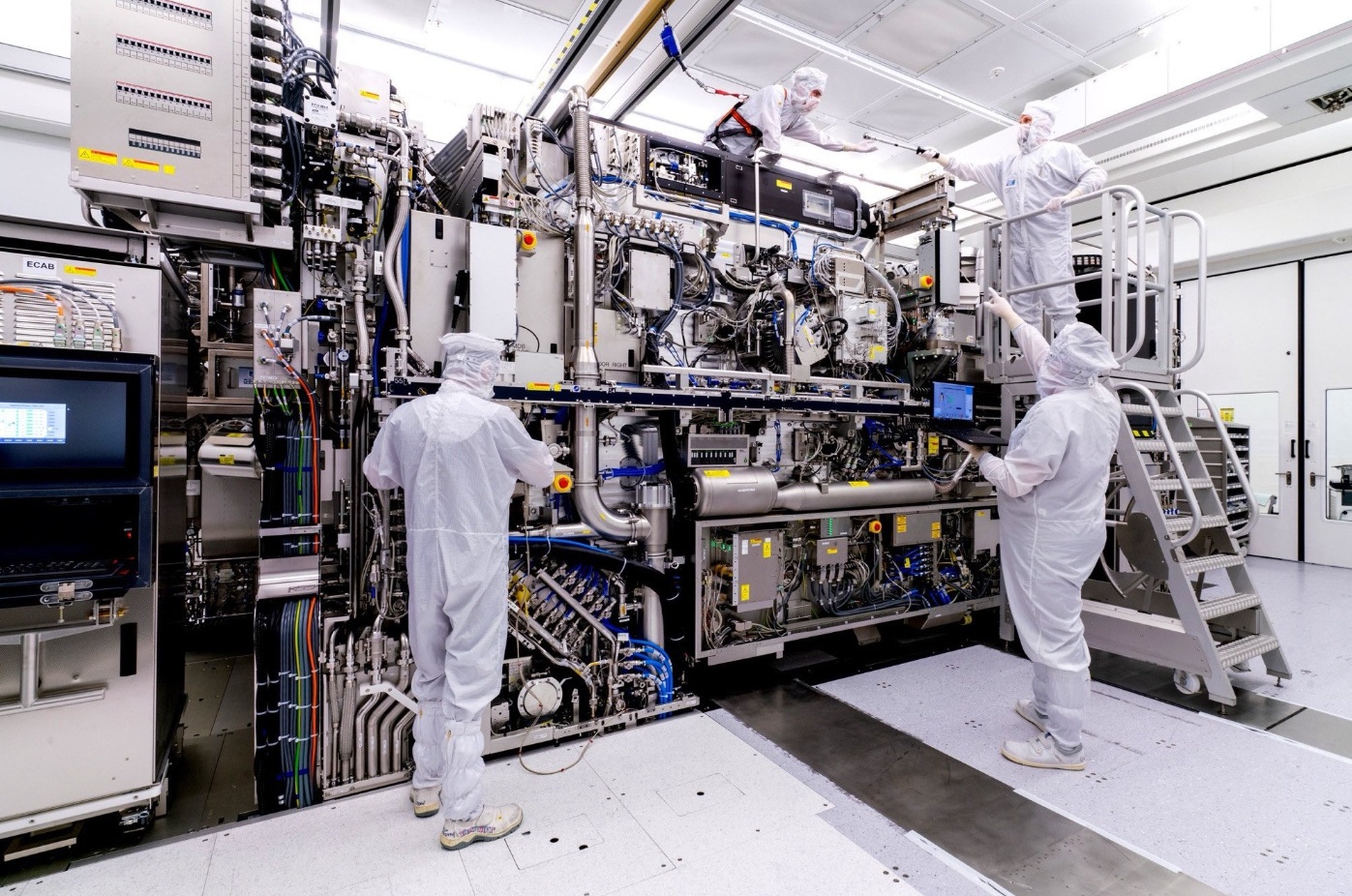
The Netherlands has historically played a pivotal role in technological transfers that have reshaped the modern world. From 17th-century financial and agricultural innovations that fueled the Industrial Revolution and British imperial expansion, to Dutch shipbuilding techniques adopted by Tsar Peter the Great to modernize the Russian navy, their influence has been significant. Additionally, documents stolen from a Dutch laboratory reportedly aided Pakistan's nuclear weapons program. Now, the Netherlands is at the center of a new development that could alter the global balance of power, as highlighted by The Economist. This situation underscores the nation's recurring importance in critical technological advancements and geopolitical shifts. The current incident involves the global race for artificial intelligence (AI) supremacy, primarily between the United States and China. The specific nature of the Dutch involvement in this AI race is not detailed in the provided text, but its potential to change the global power dynamic is emphasized. This historical context suggests that Dutch contributions, whether through innovation, trade, or even less conventional means, have consistently impacted international power structures.
The narrative positions the Netherlands as a critical node in the global AI race, drawing parallels to its historical influence on technological diffusion. This framing suggests that access to advanced semiconductor manufacturing equipment, potentially originating from or facilitated by Dutch entities, could be a decisive factor in the US-China technological competition. The analysis should focus on the geopolitical implications of supply chain dependencies in advanced technology sectors. Understanding the incentives for nations and corporations to control or influence the production and distribution of key technologies like AI hardware is crucial. Future developments will likely hinge on international cooperation, export controls, and the strategic positioning of nations within the global technology ecosystem, rather than solely on the technological prowess of individual actors.
AI-generated to prompt reflection — not editorial opinion, not advice, not a statement of fact. How this works.