Netherlands Declares Water Shortage, Implements Distribution Measures
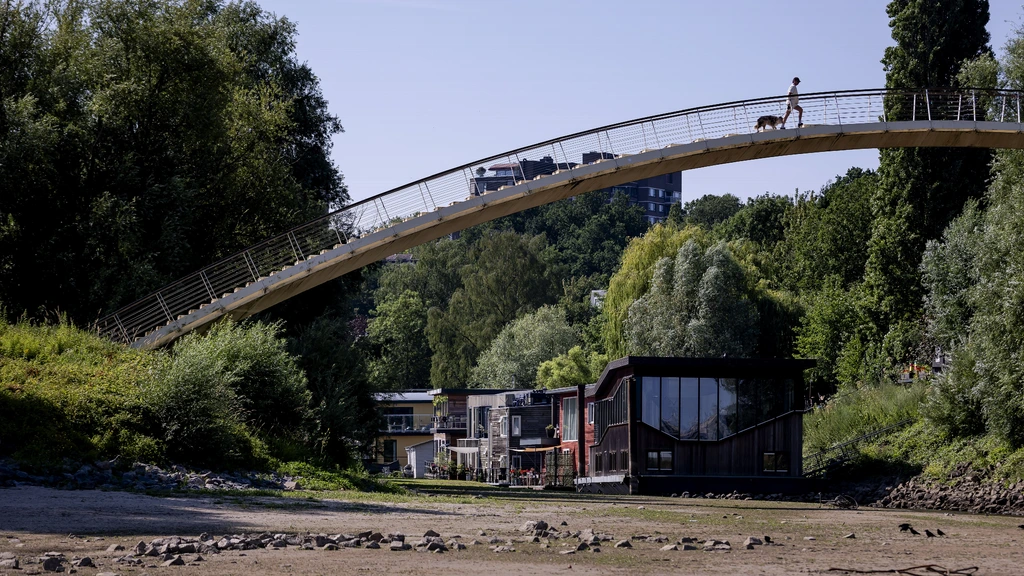
The Netherlands has officially declared a water shortage due to persistent drought, with Rijkswaterstaat and water management authorities announcing "factual water scarcity" and escalating the drought monitor to phase 2. This marks the first time phase 2 has been activated since August 2022; phase 3, signifying a national crisis, was last implemented in 2003. Given the current deficit and the expectation of continued dry conditions, water managers will prioritize the distribution of available water, with safety being the paramount concern. Critical infrastructure like water defenses and drought-sensitive dikes will receive water first to prevent structural damage. Drinking water and energy supplies are also prioritized. The authorities will assess the need to use water to combat salinization in dry areas, which may impact navigation, potentially causing delays for ships due to low water levels and restricted maneuverability. Regional measures, including potential watering bans, will be determined by Rijkswaterstaat, water boards, drinking water companies, provinces, and relevant ministries. However, citizens are assured that drinking water supplies remain sufficient, though conscious water usage is always encouraged. The current situation is exacerbated by historically low river water levels entering the Netherlands at Lobith, the lowest since 1976, coupled with increased water demand. While summer water shortages are common, the current deficit is larger than usual. Climate change is identified as a factor increasing the likelihood of drought in recent decades. To mitigate the shortage, authorities have already stored additional fresh water in the IJsselmeer and Markermeer, deployed pumps and sluices for better distribution, and adjusted weir operations to manage water levels and prevent saltwater intrusion, thereby preserving fresh water for drinking, agriculture, and nature.
The Netherlands' declaration of a water shortage, escalating to phase 2 of its drought monitor, highlights the increasing vulnerability of even developed nations to climate change impacts. The prioritization of water allocation, focusing on safety, infrastructure, and essential services, reflects a pragmatic approach to managing scarcity. This situation underscores the systemic challenge of balancing competing water demands—from agriculture and industry to environmental needs and domestic use—in a region with a high population density and significant economic activity reliant on water. The acknowledgment of climate change as a contributing factor points to the need for long-term adaptation strategies, including enhanced water storage, efficient usage policies, and potentially innovative water management technologies, to build resilience against more frequent and severe drought events in the coming decade.
AI-generated to prompt reflection — not editorial opinion, not advice, not a statement of fact. How this works.