Netherlands Opposes Opening EU Accession Cluster 3 with Serbia Over Rule of Law Concerns
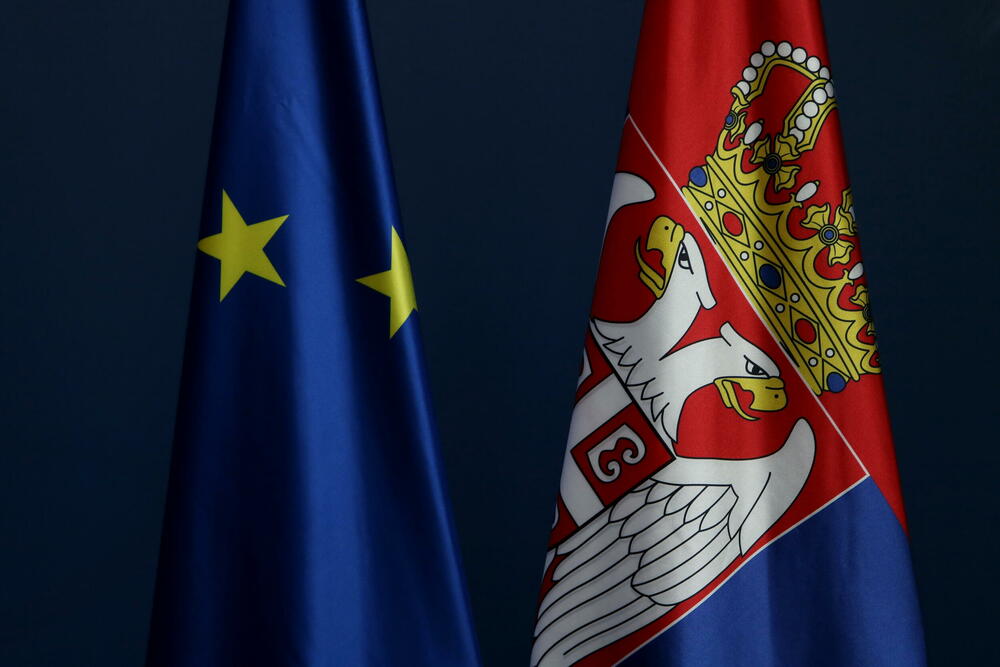
The Dutch government's assessment regarding the 2025 enlargement package remains unchanged, stating that opening Cluster 3 with Serbia at this time would not be merit-based. This decision stems from ongoing concerns about the rule of law in Serbia. A spokesperson for the Dutch Ministry of Foreign Affairs confirmed that the current situation does not warrant the advancement of this accession chapter. The Netherlands has consistently emphasized the importance of judicial independence, a free press, and the fight against corruption as prerequisites for EU membership. While the specific details of the rule of law concerns were not elaborated upon in this statement, they are understood to be significant enough to halt progress on this particular cluster. The EU accession process is rigorous, with candidate countries needing to meet stringent criteria across various chapters, including those related to justice, freedom, and security. The Netherlands' stance highlights the critical role of fundamental rights and democratic principles in the enlargement process. Further progress on Serbia's EU path will likely depend on demonstrable improvements in these areas.
The Netherlands' position highlights the EU's ongoing challenge in balancing geopolitical considerations with its core values, particularly the rule of law. While Serbia seeks integration, the Dutch government's stance underscores that accession is contingent on meeting established democratic benchmarks, not merely on political will or strategic alignment. This approach reflects a systemic incentive structure within the EU, where adherence to fundamental rights and legal principles is designed to ensure stability and democratic governance in member states. The friction points to a potential contradiction: the desire for a stable, integrated Balkan region versus the non-negotiable requirement for robust democratic institutions. Future progress will likely depend on Serbia's capacity to enact and demonstrate sustained reforms, and the EU's ability to maintain consistent standards across all accession negotiations.
AI-generated to prompt reflection — not editorial opinion, not advice, not a statement of fact. How this works.