Netherlands Releases Strategic Oil Reserves to Counter High Prices
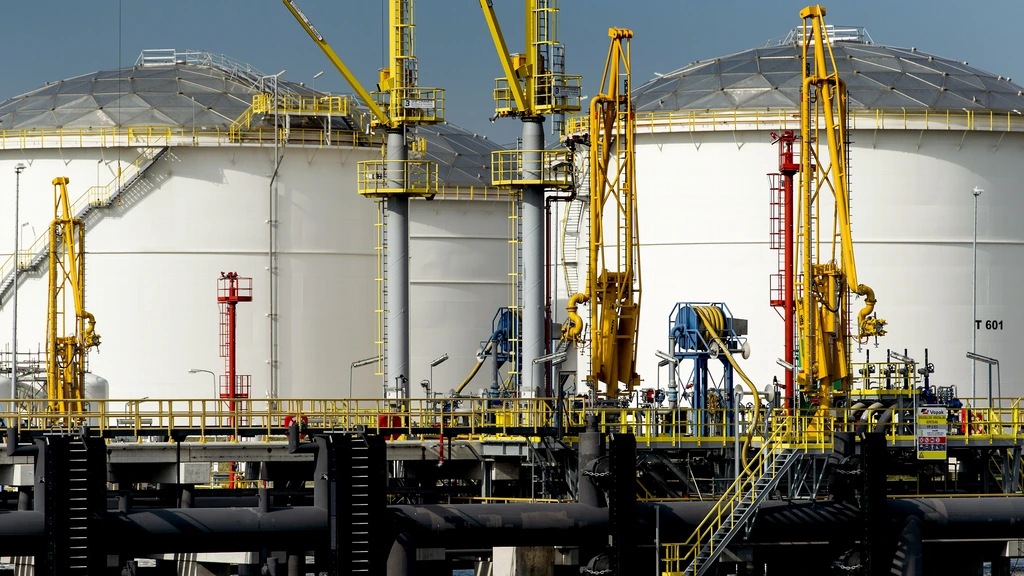
The Netherlands has begun releasing a portion of its strategic oil reserves to help lower escalating oil prices. Initially, 2.7 million barrels from commercial entities will be made available, with potential releases from state reserves to follow in the coming weeks. This action is part of a broader coordinated effort by International Energy Agency (IEA) member states, who collectively announced the release of 400 million barrels from their emergency stockpiles in March. The releases are being managed over several months, not all at once, to ensure a steady flow into the market.
These reserves are mandated for IEA member countries, primarily developed nations reliant on oil for their economies, and are intended to be used during exceptional circumstances like significant price spikes caused by geopolitical instability. The current need for the Dutch reserves arises from a surge in oil prices, which reportedly climbed after military actions involving Iran and the subsequent closure of the Strait of Hormuz, a critical route for approximately 20% of global oil supply. Damage to oil and gas infrastructure in various locations has also contributed to price increases.
In March, the Netherlands had pledged to release up to 5.4 million barrels, with half sourced from commercial entities like Schiphol Airport and the Port of Rotterdam, which are required to maintain their own oil stockpiles due to high consumption. The other half was to come from state reserves. Minister Van Veldhoven of Climate and Green Growth had anticipated a price-dampening effect from such a substantial market injection. The decision to now tap into Dutch reserves is also influenced by the recent rise in Brent crude oil prices, which surpassed $100 per barrel, a two-month high, reinforcing the necessity of these releases.
The Netherlands' decision to release strategic oil reserves reflects a global response to price volatility driven by geopolitical events and supply chain disruptions. This action, coordinated through the IEA, aims to mitigate the economic impact of high energy costs on member nations. The release strategy, spread over time, suggests an attempt to balance immediate price relief with the need to maintain long-term energy security. The effectiveness of such interventions is complex, influenced by market speculation and the overall balance of global supply and demand. Moving forward, a sustained focus on diversifying energy sources and enhancing supply chain resilience will be crucial for insulating economies from future price shocks, particularly in an era increasingly shaped by technological advancements and evolving geopolitical landscapes.
AI-generated to prompt reflection — not editorial opinion, not advice, not a statement of fact. How this works.