Netherlands Reopens Doors to International Students Amid Talent Shortage
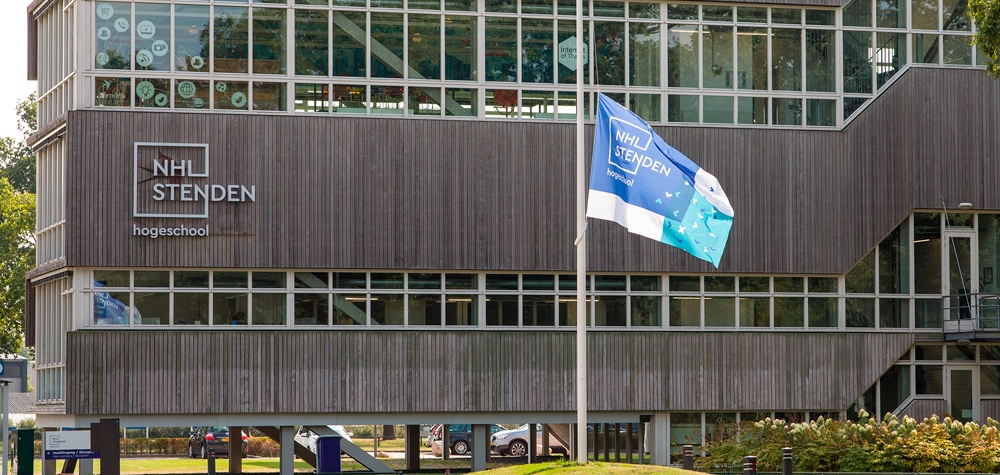
The Netherlands is significantly easing restrictions on foreign student admissions, a policy shift aimed at addressing a growing talent shortage within the country. This move comes after a period of restrictive policies implemented under a previous right-wing government, which had been influenced by the party of Geert Wilders. The new approach signals a strategic effort to attract skilled individuals and fill critical labor market gaps. The government believes that by welcoming more international students, they can foster innovation and economic growth. This policy change is expected to benefit various sectors that have been struggling to find qualified personnel. The Netherlands is positioning itself as a more open destination for global talent, hoping to reverse the trend of declining international student enrollment that occurred under the previous administration. The aim is to cultivate a more diverse and skilled workforce for the future.
The Netherlands' policy reversal on international student admissions reflects a pragmatic response to evolving economic needs and demographic shifts. By reopening its doors, the nation seeks to leverage global talent pools to mitigate domestic skill deficits, a strategy increasingly adopted by developed economies facing aging populations and specialized labor demands. This pivot highlights the tension between national sovereignty concerns, often amplified during periods of political change, and the imperative of economic competitiveness in a globalized era. The long-term success of this initiative will likely depend on the government's ability to integrate these international students into the labor market effectively, ensuring that their skills align with industry requirements and fostering an inclusive environment that retains talent.
AI-generated to prompt reflection — not editorial opinion, not advice, not a statement of fact. How this works.