Netherlands Sees Surge in Anonymous Surrender of Protected Species Items
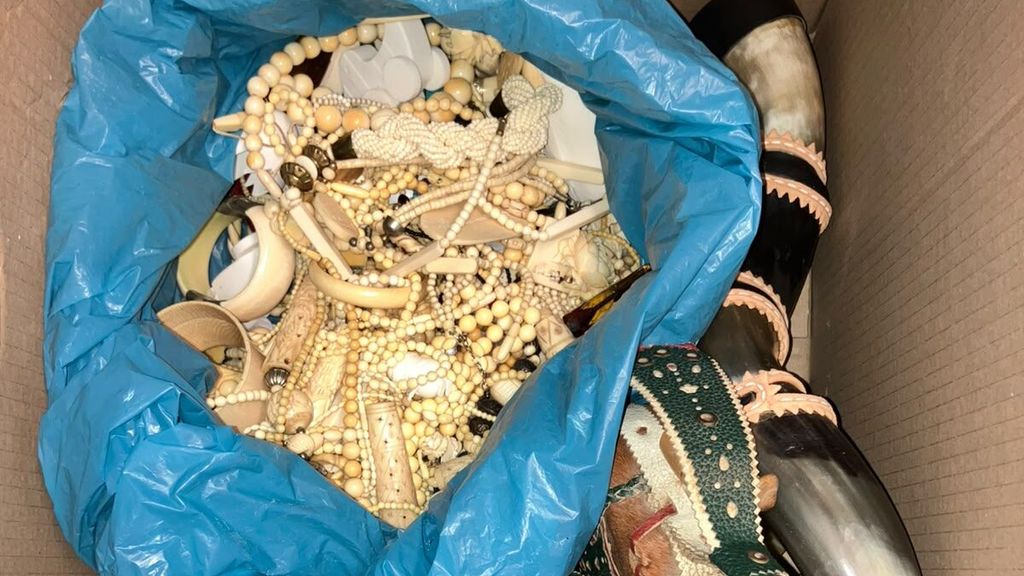
In the Netherlands, over 5,800 items made from protected plant and animal species were anonymously surrendered last year, a significant increase from the approximately 1,100 items surrendered the previous year. The Rijksdienst voor Ondernemend Nederland (RVO) reported this surge, noting that the reasons for the increase remain unclear. The surrendered items are often brought in anonymously, with the RVO suggesting that collectors or traders might be responsible. This year's submissions continue to be dominated by elephant ivory, with the RVO stating that such a large volume has never been surrendered before. Examples of surrendered items include moving boxes filled with thousands of ivory jewelry pieces, a rhinoceros skull with a gunshot wound, crocodile leather bags, musical instruments, and an elephant's foot. Additionally, stuffed animals such as a long-eared owl, peregrine falcon, and turtles were received. Possession and trade of protected species require a permit; those without one can anonymously surrender items at the CITES drop-off point in The Hague or via mail. The majority of these surrendered items are destroyed to prevent their entry into the illegal wildlife trade, while a small portion is utilized for research and educational purposes.
The substantial increase in anonymously surrendered items related to protected species in the Netherlands highlights a complex interplay between enforcement, public awareness, and the illicit trade in wildlife products. While the anonymous surrender mechanism offers a legal pathway for individuals to divest themselves of potentially illegal items without penalty, it also obscures the true scale and origins of the trade. The RVO's observation that a significant portion consists of ivory and other high-value items suggests ongoing demand within the market, even as supply channels are being disrupted. The anonymous nature of these surrenders makes it challenging to identify specific trends or actors involved in the illegal trade, potentially limiting targeted enforcement efforts. Moving forward, strategies could explore incentives for voluntary disclosure that also provide greater insight into trade networks, alongside continued efforts to disrupt trafficking routes and reduce consumer demand for endangered species products. The sheer volume of ivory surrendered underscores the persistent global challenge of combating illegal wildlife trafficking and the need for sustained international cooperation.
AI-generated to prompt reflection — not editorial opinion, not advice, not a statement of fact. How this works.