Netherlands to implement 500-meter buffer zone for new goat farms near homes
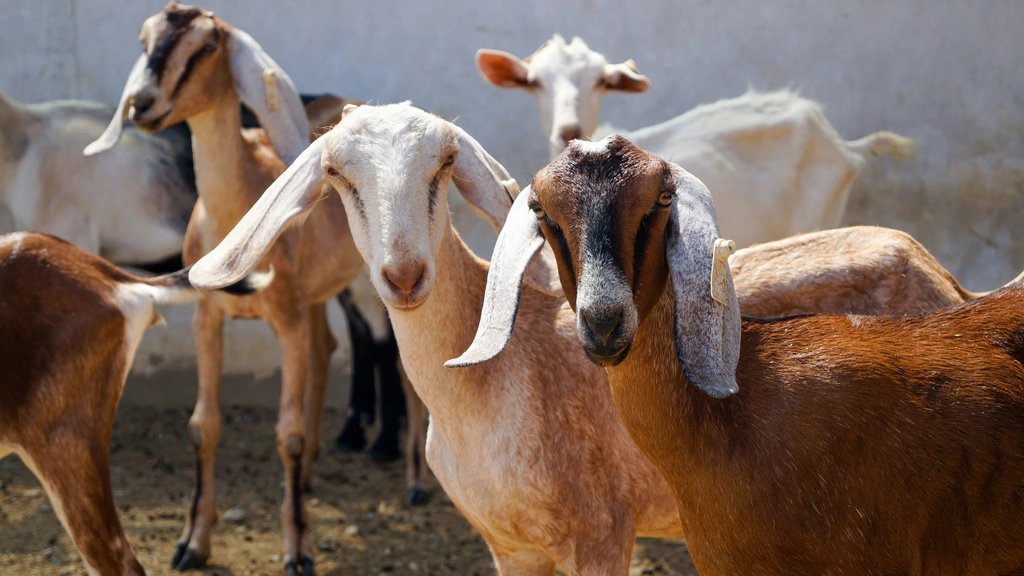
The Dutch government is introducing a national buffer zone regulation for goat farms, mandating that new facilities cannot be established within 500 meters of residential areas, schools, daycare centers, and healthcare institutions. Conversely, new housing developments and similar sensitive locations will also be prohibited from being built within this 500-meter radius of existing or new goat farms. Furthermore, existing goat farms will not be permitted to expand their operations within this distance. This measure aims to better protect public health, specifically reducing the risk of respiratory infections like pneumonia.
Minister Hermans stated that the decision is informed by over a decade of research, which concluded that individuals living within 500 meters of a goat farm face an increased risk of pneumonia. The Dutch House of Representatives had previously urged the government to take action due to growing concerns about the health risks for residents near goat farms, especially considering the goat population has quintupled to nearly 600,000 since 2000. The new regulation is expected to take effect in approximately 2.5 to 3 years, following the completion of the legislative process.
While some scientists have questioned the robustness of the research, Minister Hermans acknowledged the absence of a single identified pathogen but cited the Health Council's advice on a 'combination of factors' increasing risk. The government aims to balance public health protection with the viability of the goat farming sector, ensuring it has a future while mitigating health risks. The proposed 500-meter norm, rather than a 1000-meter one suggested by the Health Council, is intended to address the most significant risks while affecting about one-third of existing farms regarding expansion. The government plans to collaborate with municipalities and provinces to manage existing situations and reduce exposure for residents living within the buffer zone.
The Dutch government's decision to implement a 500-meter buffer zone around goat farms reflects a societal shift towards prioritizing public health and environmental considerations over unchecked agricultural expansion. This policy acknowledges the potential externalities of intensive farming, particularly concerning respiratory health, and seeks to establish a more sustainable coexistence between rural industries and residential areas. The 500-meter radius represents a compromise, balancing scientific evidence of risk with the economic realities of the agricultural sector. Future policy development may need to consider the long-term implications of such buffer zones on land use, housing affordability, and the evolution of agricultural technologies to further minimize environmental and health impacts, ensuring the sector's long-term viability within evolving societal expectations.
AI-generated to prompt reflection — not editorial opinion, not advice, not a statement of fact. How this works.