Netherlands to Introduce Traffic Offense Points System by Year-End
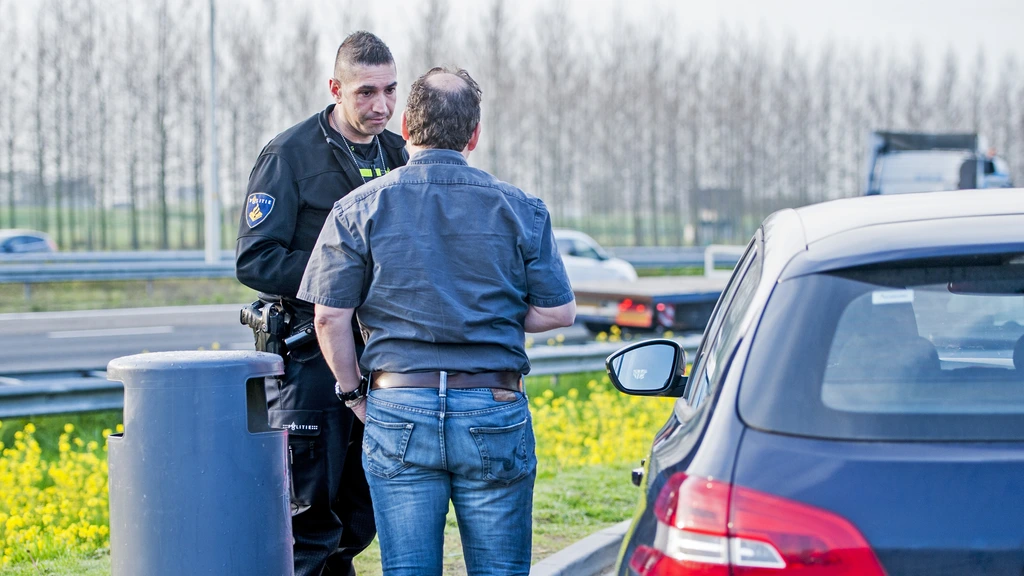
By the end of this year, Dutch drivers caught committing traffic violations by police will face a new penalty system that includes penalty points in addition to fines. The police and Public Prosecution Service are developing this system to better track repeat offenders. Drivers stopped by the police will receive one, two, or three penalty points based on the severity of their offense. Accumulating six points within a year will flag a driver as a repeat offender. Minor infractions like using a phone while driving or not wearing a seatbelt will result in one point. More serious offenses handled by the judiciary will incur two points, while the most severe category, such as causing an accident, will result in three points. Notably, drivers caught by speed cameras will not receive penalty points, as the system requires a direct police stop to confirm the driver's identity. Drivers who reach six points will be closely monitored, and authorities are discussing potential measures for repeat offenders, including mandatory courses. Germany already operates a similar system where eight points lead to a license suspension, with points expiring after several years or through course completion. The Netherlands currently has two existing point systems for novice drivers and those driving under the influence. Last year, approximately 30,000 drivers accumulated six or more points under the current systems, with the majority being men under 45 and a significant portion facing financial difficulties. The new system aims to reduce this number, as previous measures like warning letters have proven ineffective.
The proposed penalty point system for traffic violations in the Netherlands aims to enhance road safety by identifying and managing repeat offenders. This initiative reflects a broader trend of leveraging data and tiered consequences to influence driver behavior, moving beyond simple fines. The system's effectiveness will depend on its implementation details, particularly how points are accrued, the specific interventions for accumulating points, and the efficiency of data sharing between law enforcement and judicial bodies. By focusing on direct police stops rather than automated enforcement for point accrual, the system prioritizes driver identification, potentially creating a more targeted approach. The comparison with Germany's established system offers a benchmark for potential outcomes, including license suspension and point expiration policies. The demographic data on repeat offenders highlights potential underlying societal factors, such as financial stress and age, that may warrant complementary social or economic support alongside traffic enforcement.
AI-generated to prompt reflection — not editorial opinion, not advice, not a statement of fact. How this works.