Neuralink Successfully Implants Brain Chip Without Damaging Protective Membrane
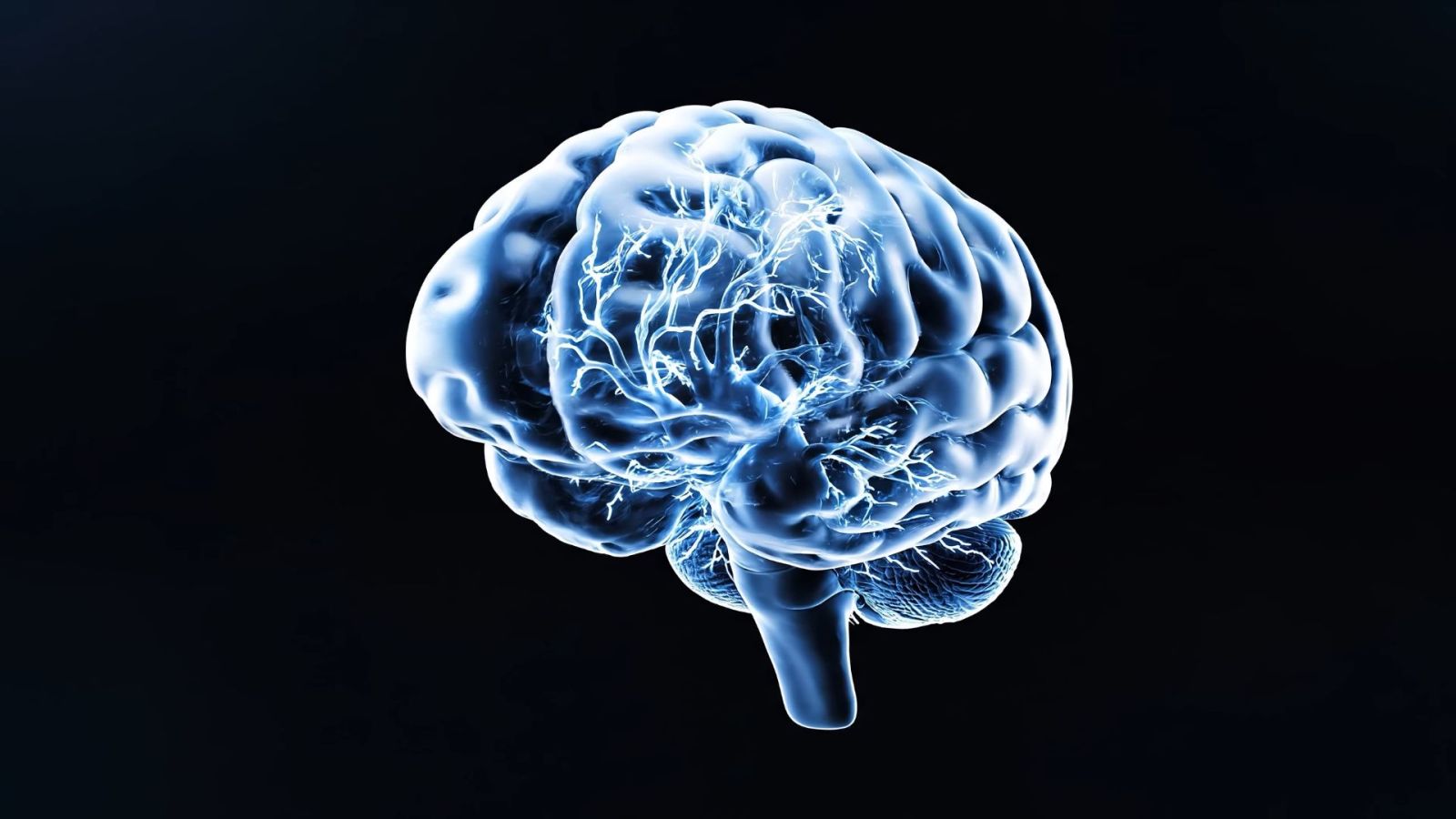
Neuralink has announced a significant milestone in its brain-computer interface technology, successfully implanting a device into a human brain without damaging the dura mater, a protective membrane. The company's robotic surgical system reportedly inserted its microfilaments directly through this crucial layer. This advancement suggests a less invasive surgical approach for future brain implant procedures. Neuralink aims to develop technologies that can help people with severe neurological conditions. The successful implantation without compromising the dura mater could be a critical step towards achieving this goal. Further details on the procedure and the patient's condition have not yet been released by the company.
Neuralink's reported success in implanting its device without breaching the dura mater represents a potential refinement in neurosurgical techniques. This approach, if validated, could reduce risks associated with brain surgeries, such as infection and inflammation, thereby enhancing patient safety and potentially broadening the applicability of brain-computer interfaces. The long-term efficacy and the full spectrum of potential side effects will require extensive monitoring and independent clinical validation. Future developments will likely focus on optimizing the robotic system's precision and adaptability to diverse patient anatomies, while navigating the complex ethical and regulatory landscapes surrounding human neural implants.
AI-generated to prompt reflection — not editorial opinion, not advice, not a statement of fact. How this works.