Neurologist Conrado Estol: "To keep your mind active at 80, do what you did at 40"
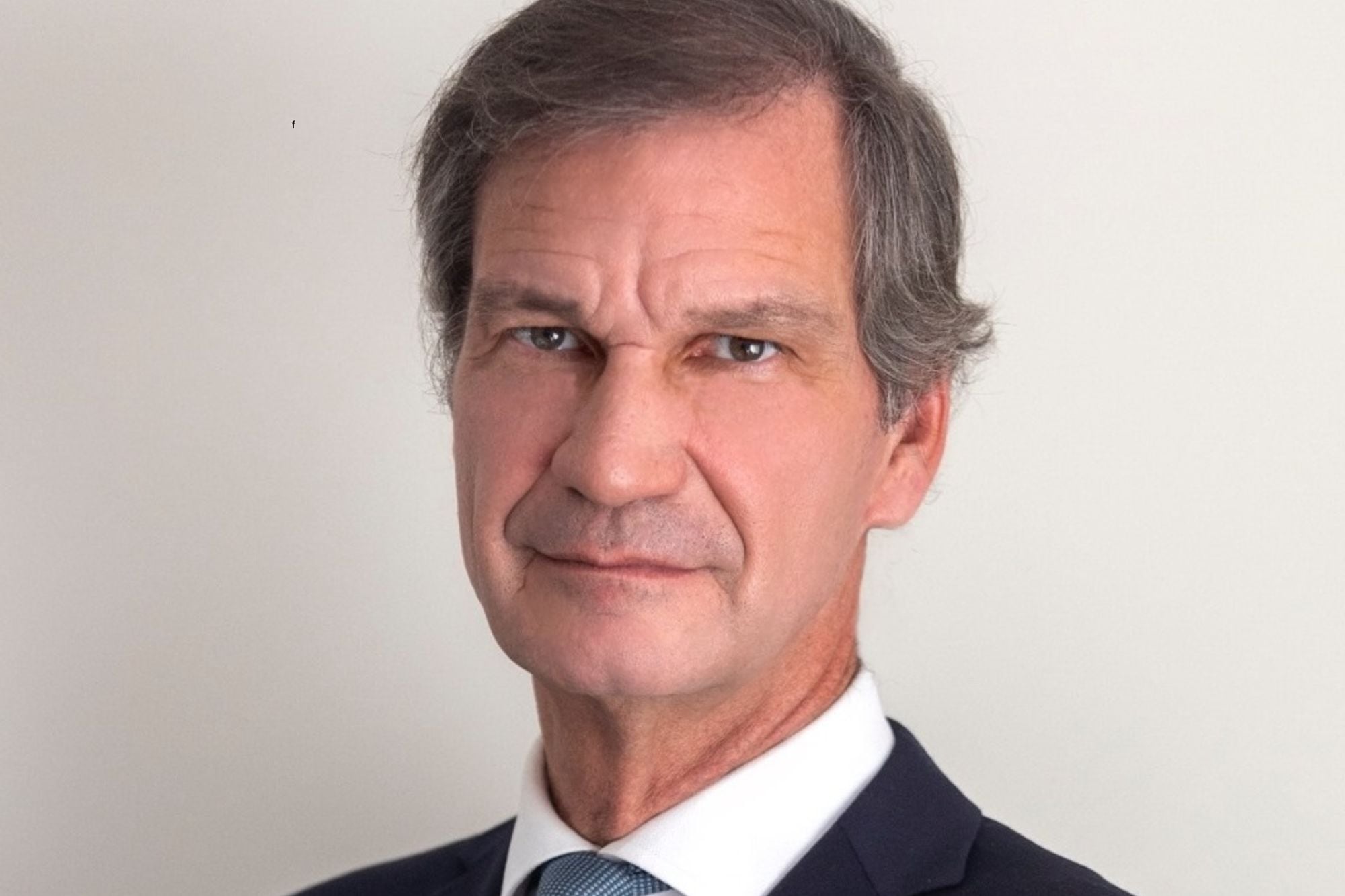
Neurologist Conrado Estol, in an exclusive interview with LA NACION, outlined key strategies for healthy aging, emphasizing that maintaining mental activity at 80 requires the same approach as in one's 40s. He urged a departure from traditional notions of old age, advocating for a more proactive and engaged lifestyle throughout life. Estol's advice centers on continuous mental stimulation and physical activity as crucial components for cognitive health. He believes that the habits formed earlier in life, when consistently maintained, are fundamental to preserving brain function in later years. The interview highlights the importance of challenging the brain regularly through learning new skills, engaging in complex tasks, and maintaining social connections. Estol's perspective suggests that aging is not a passive decline but an active process that can be significantly influenced by lifestyle choices. He aims to redefine societal perceptions of aging by promoting a view where vitality and mental acuity can be sustained well into the eighties and beyond. This approach encourages individuals to view their later years as an opportunity for continued growth and engagement rather than a period of inevitable deterioration.
Neurologist Conrado Estol's advice challenges ageist stereotypes by framing cognitive health as a continuous, proactive pursuit rather than a passive consequence of aging. This perspective aligns with emerging research on neuroplasticity, suggesting that the brain retains a capacity for adaptation and change throughout life. The emphasis on maintaining habits from mid-life into later years highlights the long-term impact of lifestyle choices on health outcomes. From a public health standpoint, promoting such active engagement could reduce the burden of age-related cognitive decline and enhance quality of life for an aging population. This approach encourages individuals to take ownership of their cognitive well-being, fostering a more resilient and engaged society in the face of demographic shifts.
AI-generated to prompt reflection — not editorial opinion, not advice, not a statement of fact. How this works.